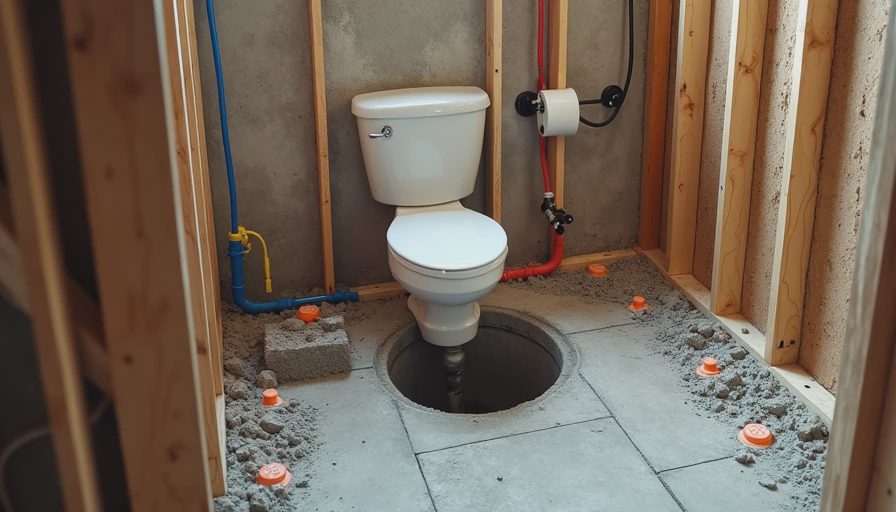
Why a Basement Bathroom Changes Everything
Hey, Ben Harlow here. Adding a bathroom in the basement is one of the smartest moves you can make for both daily living and resale value. But the rough-in phase is where most homeowners get surprised by costs.
After roughing in over 80 basement baths during my contracting years, I’ve seen every possible scenario. Let’s talk real numbers and practical advice so you can budget properly.
The Major Components of Rough-In
A proper basement bathroom rough-in involves several systems working together:
Plumbing (drainage and supply)
Ventilation
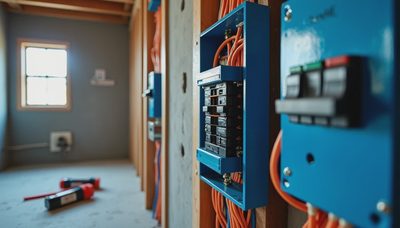
Electrical (GFCI protection, lighting, exhaust fan)
Floor prep and waterproofing
Getting these right before pouring concrete or hanging drywall is critical.
Detailed Cost Breakdown (2026 Central Indiana)
Here’s what current jobs are actually running:
Plumbing rough-in (toilet, sink, shower): $1,800 – $3,200
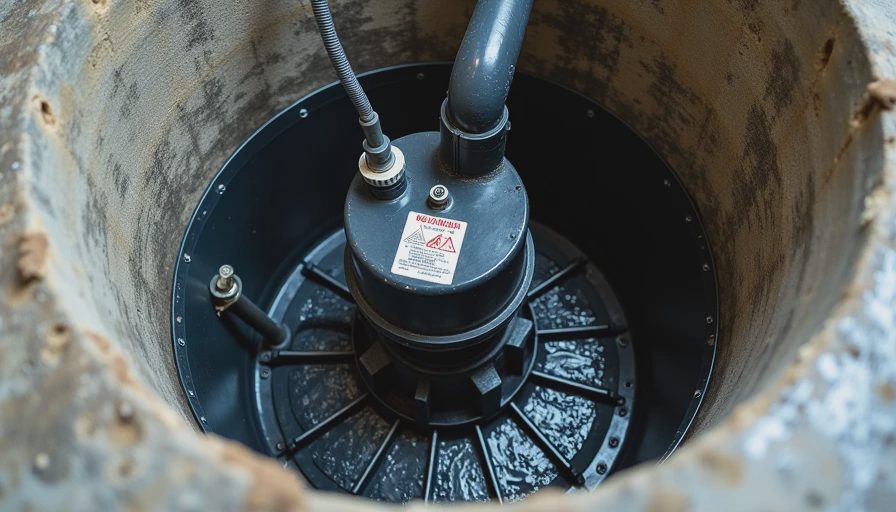
Sewer tie-in or ejector pump system: $2,500 – $5,500 (big variable)
Vent pipe routing: $600 – $1,400
Electrical rough-in (circuits, GFCI, fan): $800 – $1,600
Floor drain and waterproofing prep: $400 – $900
Permits and inspections: $300 – $750
Misc materials and access: $300 – $700
Total rough-in range: $6,700 – $14,000
Yes, it can get expensive — especially if you need a sewage ejector pump because your main sewer line is higher than the basement floor.
The Ejector Pump Question
This is the biggest budget buster. If gravity drain isn’t possible, you’ll need a reliable ejector system. I always recommend spending more upfront on a quality unit with battery backup. Cheap pumps fail at the worst times.
In my own basement project, we were lucky — gravity drain was possible. Saved us several thousand dollars.
Step-by-Step Rough-In Process
Plan the layout carefully around existing utilities.
Install the drain pipes with proper slope (1/4 inch per foot minimum).
Set the toilet flange at exact finished floor height.
Run water supply lines in protected locations.
Route vent pipes to the main stack or outside.
Pull electrical circuits with GFCI protection.
Test everything before closing walls.
I can’t stress testing enough. A leaking drain in a finished wall is a nightmare.
Lessons From Jobs Gone Wrong
One homeowner tried to save money by doing their own rough-in. They didn’t maintain proper slope on the drain line. Two years later we had to open the wall to fix constant clogs. Cost them way more than hiring it done right initially.
Another job had beautiful finishes but no exhaust fan venting properly. Moisture problems appeared within a year. Always vent to the exterior.
My Recommendations for Most Homeowners
Hire a licensed plumber for the rough-in unless you really know what you’re doing.
Budget 20-30% contingency for surprises (old pipes, unexpected rock, etc.).
Consider a pocket door to save space.
Plan for a larger shower if possible — everyone loves them.
Include a floor drain even if code doesn’t require it.
In our family basement, the bathroom rough-in is on the list for next phase. I’m already planning the layout around the kids’ future needs.
Beyond Rough-In: Finishing Costs
Expect another $8,000 – $15,000+ to finish the bathroom after rough-in (tile, fixtures, vanity, etc.). Total bathroom project often lands between $15k-$30k depending on quality level.
Bottom Line Verdict
Don’t cheap out on the rough-in. This is the foundation of your basement bathroom. Get it right and the rest goes smoothly. Skimp here and you’ll be dealing with problems for years.
If you’re planning this project, start by checking your sewer line height and main stack location. Those two factors drive most of the cost.
Drop your specific situation in the comments — I’ll give you my honest take on what to expect.
Above grade is for the real estate photos. Below grade is where you actually live. A good bathroom makes that living a lot more comfortable.
No letters yet — be the first guest to write.