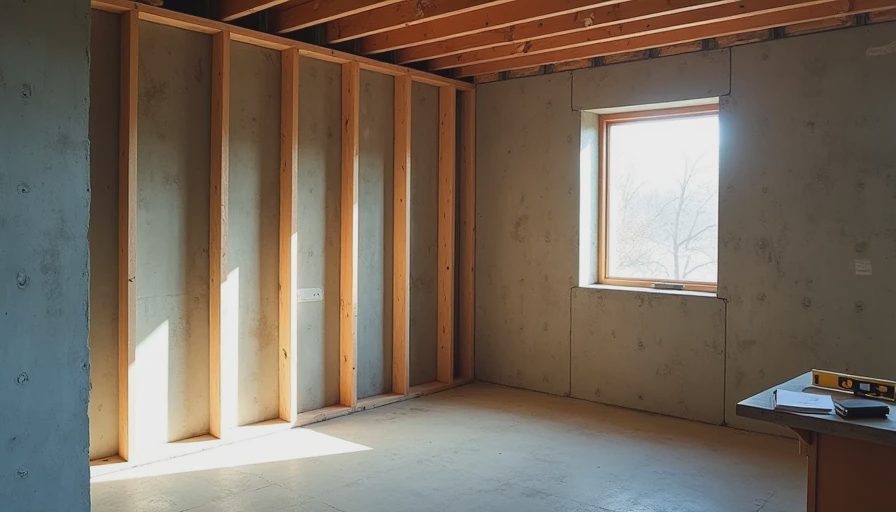
The Basement Reality Check Most People Skip
Let’s be honest. Nobody wakes up excited to finish their basement. You look at that cold, damp, concrete hole under your house and think, “We could put a playroom down there… or a man cave… or maybe just stop using it as a graveyard for broken exercise equipment.”
But here’s the thing nobody tells you on those glossy HGTV shows: a basement is completely different from the rest of your house. The rules change when half your living space sits below ground level. Moisture behaves differently. Insulation requirements are stricter. Code inspectors get extra picky about egress and electrical. One wrong move with a vapor barrier and you’re not adding living space — you’re building a very expensive science project for mold.
I learned this the hard way on my own 1998 builder-basic colonial right here in suburban Indy. We’ve got two kids (Charlie’s seven and already asking why Daddy’s basement looks like a construction zone three years in). My wife Kate just wants a finished space where she doesn’t have to worry about the kids playing near concrete. So I’m doing it myself, slowly, carefully, and documenting every single step — including the mistakes — right here.
What 300 Basements Taught Me
After all those projects, here are the truths I wish someone had told me when I started:
Water Always Wins If You Let It
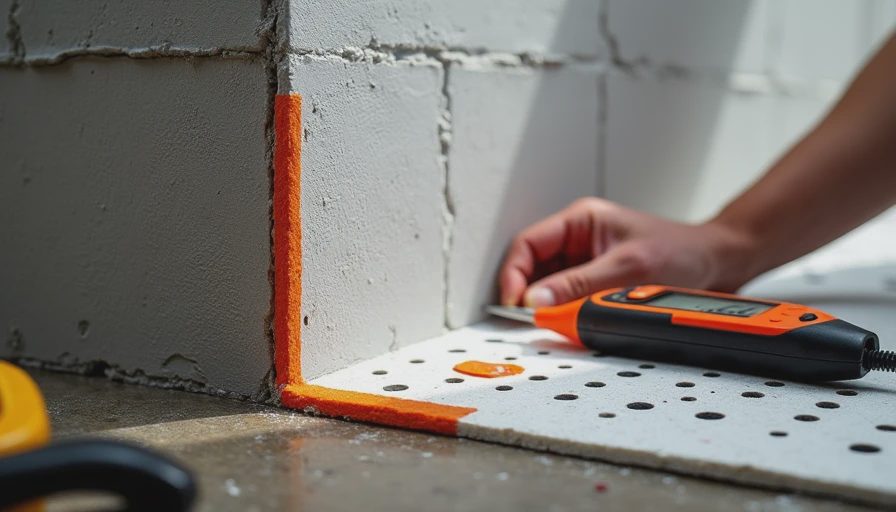
I’ve seen $40,000 basement remodels destroyed because someone trusted the “guaranteed” exterior waterproofing done in 1995. Interior solutions done right beat expensive exterior digs most of the time for older homes. Dimple board, proper drainage, and smart sump placement matter way more than fancy finishes.
Cheap Insulation Is the Most Expensive Mistake
That big-box store special on fiberglass batts? Cute. Try explaining to your wife why you’re tearing out walls again in year four because of moisture. Closed-cell spray foam isn’t cheap, but when you compare the long-term performance in a basement environment, it’s often the economical choice.
Code Isn’t a Suggestion
I’ve ripped out more “finished” basements than I care to admit because the previous crew ignored egress window requirements or electrical spacing. One guy had installed a beautiful built-in bar right where the inspector needed clear access for a future sump pump. Fun times.
Your Basement Doesn’t Need to Look Like a Magazine
It needs to work. It needs to stay dry. It needs to feel comfortable. The prettiest basement I ever built was for a family that just wanted a place for their kids to play without the ceiling being six-foot-two. We made smart compromises and created something they actually use every single day.
My Own Basement Journey (Year Three and Counting)
Right now my own basement is a half-finished testament to “measure twice, cut once… then fix it again when you realize the first fix wasn’t enough.” Last winter I spent most evenings just sitting down there with a flashlight and a notebook, watching for leaks and tracking humidity. Found a weeping tile issue that explained the damp corner that had been bugging me for years. Tree roots. Of course it was tree roots.
That’s the kind of real talk you’ll get here. No perfectly staged before-and-afters with perfect lighting. Just honest progress, real costs (I’ll be sharing every receipt), and the lessons that only come from doing the work yourself while trying to keep two kids from turning power tools into toys.
Why I Left the Crew Life
After running my own basement crew and then moving into project management for a custom home builder, I realized something: most of the information online is either too basic (“just hire a pro!”) or too salesy (affiliate links for every product under the sun). Homeowners deserve better. They deserve to understand why certain details matter instead of just being told what to buy.
So I started this site. Below Grade Life. Because the spaces below ground level are where families actually live — doing homework, watching movies, playing games, or just escaping upstairs chaos. These spaces deserve to be done right.
What You Can Expect Going Forward
This blog won’t waste your time. Every post will give you specific measurements, real product recommendations I’ve actually installed multiple times, code references (with the important disclaimer that you should always check your local jurisdiction), and the war stories that make the lessons stick.
We’ll cover waterproofing that actually works, framing techniques that account for concrete movement, electrical and plumbing done to last, and finishing choices that survive the unique basement environment. Plus monthly updates from my own project so you can learn from my mistakes without writing the same checks I did.
The Bottom Line
If you’re staring at an unfinished basement wondering where to start, you’re in the right place. This isn’t about creating some Instagram-worthy fantasy space. It’s about creating a dry, comfortable, code-compliant area your family will actually enjoy for decades.
Because above grade is for the real estate photos.
Below grade is where you actually live.
And I’m here to help you get it right the first time.

No letters yet — be the first guest to write.