A basement home gym sounds simple until you are standing on a cold concrete slab, measuring a ceiling that is 6 feet 10 inches high, and wondering whether that dark corner smells like concrete or mold. Build the room in the right order and you get useful living space. Skip the boring work and you get expensive equipment sitting in a damp box.
I have finished plenty of basements where the owner wanted a workout room, and the same mistakes show up repeatedly: rubber flooring over wet concrete, no plan for ventilation, inadequate outlets, and a treadmill placed directly under a low beam. Treat the basement home gym like a small construction project, not a garage sale with dumbbells.
Check moisture and headroom first
Do not buy a power rack until the basement is dry. Tape a square of clear plastic to the slab and foundation wall for 24 to 48 hours. Condensation beneath the plastic points toward moisture moving through the slab; condensation on the room side usually points toward humid air. It is not a laboratory test, but it tells you where to investigate.
Look for white mineral deposits, peeling paint, rust on metal objects, darkened sill plates, and a musty smell after heavy rain. A hairline foundation crack is not automatically a disaster, but water staining, widening cracks, or a wall that is visibly bowing deserves a foundation professional before finishing work begins. Do not cover a problem with paneling and hope the barbell distracts you.
Measure finished ceiling height in several locations. Ductwork and beams can reduce clearance by 8 to 14 inches. A squat rack often needs roughly 90 inches of vertical room once you account for the bar and overhead movement. If your ceiling is 84 inches, you might choose a shorter rack, floor-based presses, adjustable dumbbells, or a cable machine instead. A basement home gym designed around actual dimensions is far more useful than one copied from a showroom photo.

Build the floor before bringing in weights
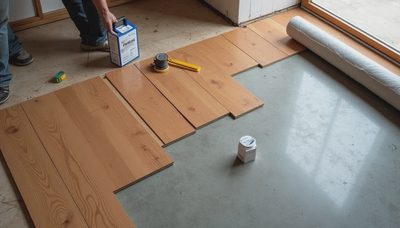
Concrete is strong, but it is hard on knees, plates, and anything you drop. For a basement home gym, I like a layered floor: dry, flat concrete underneath; a suitable underlayment where needed; and dense rubber on top. Interlocking 3/4-inch rubber tiles work well for free weights and racks. Horse-stall mats can cost less, but they are heavy, smell strongly for a while, and often need trimming.
Do not install rubber over a slab with active seepage. Rubber can hide water long enough for the underside to grow a problem you will not see until the room smells. If the slab is uneven, grind high spots and patch low areas rather than stacking soft foam under heavy equipment. Foam exercise tiles are fine for stretching, but they compress under a rack and can make a bench feel unstable.
Place the rack so plates and bars do not block a door, electrical panel, sump pump, or furnace service area. Leave a clear path at least as wide as the equipment requires, and keep access to the shutoff valves. Your future self will be grateful when the sump pump fails during a storm and the only route to it is not through a maze of kettlebells.
Plan electrical service and lighting
A treadmill can draw substantial current when starting, while a space heater can consume nearly a full 15-amp circuit by itself. Put major equipment on circuits planned for that load. A dedicated 20-amp, 120-volt circuit is common for heavier cardio equipment, but the equipment label and local electrical rules control the final choice. Do not run extension cords permanently under rubber flooring.
Have an electrician install outlets where you will actually use them: near the cardio wall, beside a television, and at each end of the lifting area. In a basement, ground-fault protection is often required in locations near dampness, but the exact application depends on local code. Have the electrician confirm placement rather than guessing from an online diagram.
Lighting changes the room more than most people expect. One bare bulb makes even a clean space feel like a utility room. Use several bright, sealed fixtures with a color temperature around 3,500 to 4,000 Kelvin. Put switches near both the stairs and the room entrance. If you are adding a new finished room, confirm smoke and carbon monoxide detector requirements with the building department.
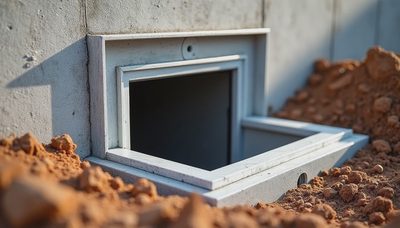
A basement home gym also needs a safe emergency exit. If the room is intended as a sleeping space, egress rules are especially important, but local code can still affect finished basement rooms. Typical egress window requirements involve minimum opening dimensions, maximum sill height, and a window well with usable ladder access. Measure before framing, not after drywall.
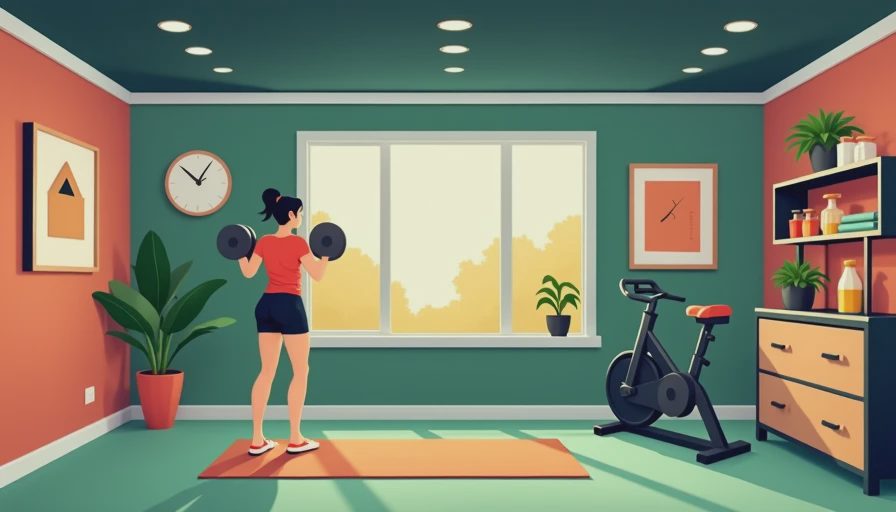
Choose equipment around the room, not the other way around
Start with the exercises you will perform four days a week. A practical setup might include adjustable dumbbells, a flat or adjustable bench, resistance bands, a pull-up solution, and a rack if the ceiling allows it. That package can occupy 70 to 100 square feet and cost roughly $800 to $2,500 depending on whether you buy new, used, or commercial-grade equipment.
Cardio equipment needs extra planning. A treadmill is typically around 3 feet wide and 6 feet long, but you need walking clearance and room to service the motor. A rowing machine stores vertically on some models but still needs a long clear area during use. Measure the machine in operation, not only in its parked position. Leave enough room to step away from a failed belt or dropped weight.
If the ceiling is low, do not force overhead presses beneath a beam. Use landmine presses, floor presses, incline pressing, or a compact cable system. The best basement home gym is the one that lets you train without striking drywall, ductwork, or your head.
Control air, sound, and temperature
Basements often hold humidity even when they do not leak. Keep relative humidity around 30% to 50% with a properly sized dehumidifier, and route its drain to an approved location or condensate pump. Emptying a small tank every day gets old quickly. A hygrometer costing $15 to $30 gives you useful information before you blame the room for a musty odor.
Exercise adds heat and moisture. A bathroom exhaust fan is not automatically a complete ventilation plan, especially in a room with closed windows. If the basement already has mechanical ventilation or an HVAC supply and return, confirm that air can move through the gym instead of simply dumping cold air into one corner. A quiet fan can help circulate air, but it does not fix a damp foundation.
Rubber flooring and dropped weights also create noise. A second layer of rubber under a deadlift platform can reduce impact, but it will not make heavy lifting silent for the room above. Keep speakers reasonable, avoid early-morning dropping, and use bumper plates if the structure and floor setup support them.
Finish the room for maintenance
Use durable, washable surfaces. Painted concrete or moisture-tolerant wall systems are easier to inspect than finished drywall covering every foundation wall. If you frame, keep wood off the slab with an appropriate sill gasket or treated bottom plate, and use insulation designed for below-grade conditions. Do not trap a foundation wall behind an improvised plastic sandwich; the correct vapor and moisture strategy depends on the wall assembly and climate.
Leave removable access panels around plumbing cleanouts, electrical junctions, shutoffs, and the sump system. Store towels, bands, and small accessories on wall-mounted shelving, but anchor it properly. A loaded shelf falling onto a treadmill is a preventable repair bill.
Before buying equipment, mark the planned layout on the floor with painter's tape. Walk through a warm-up, a squat, a bench press, and a carry. If your feet hit another station during those movements, the layout is too crowded.
The bottom line
A durable basement home gym starts with moisture control, safe clearance, sound electrical work, and a floor that can tolerate abuse. Equipment comes last. Spend first on fixing leaks, improving lighting, and making the room serviceable; a $500 used rack works better in a dry, well-planned space than a $3,000 machine in a damp corner.
Above grade is for the real estate photos. Below grade is where you actually live. Build this room like it matters, because you will notice every shortcut each time you train.

No letters yet — be the first guest to write.