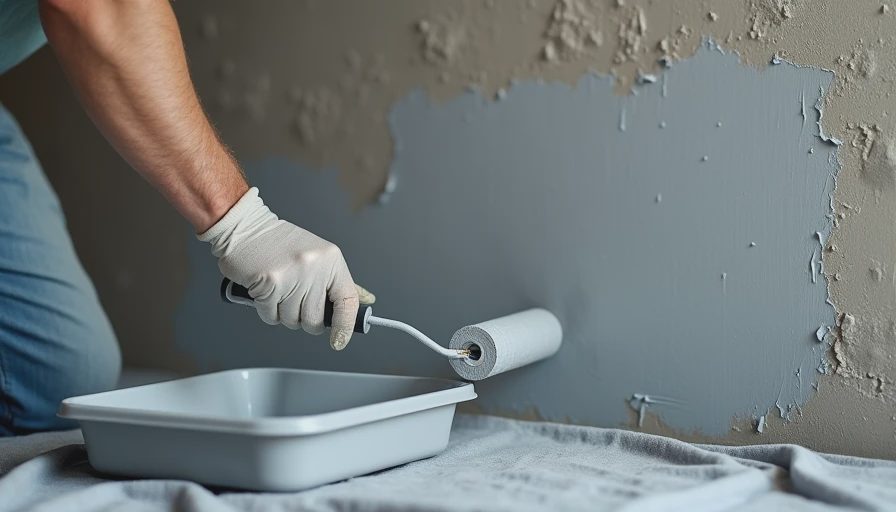
Why You Can’t Just Grab Any Gallon of Paint
Hey, it’s Ben Harlow. You’ve done the hard work — waterproofing, framing, insulation — and now you’re ready to paint. Don’t celebrate too early. Regular living room paint will disappoint you fast in a basement.
After seeing hundreds of peeling, moldy, or discolored basement walls, I’ve learned exactly what works and what doesn’t. This guide is the no-BS version.
The Unique Challenges of Basement Painting
Basements fight paint in ways upper floors don’t:
Higher humidity and moisture vapor
Cooler temperatures affecting drying
Poor air circulation
Concrete and masonry surfaces
Potential for efflorescence (white powdery residue)
Ignore these and you’ll be repainting in 2-3 years instead of 10+.
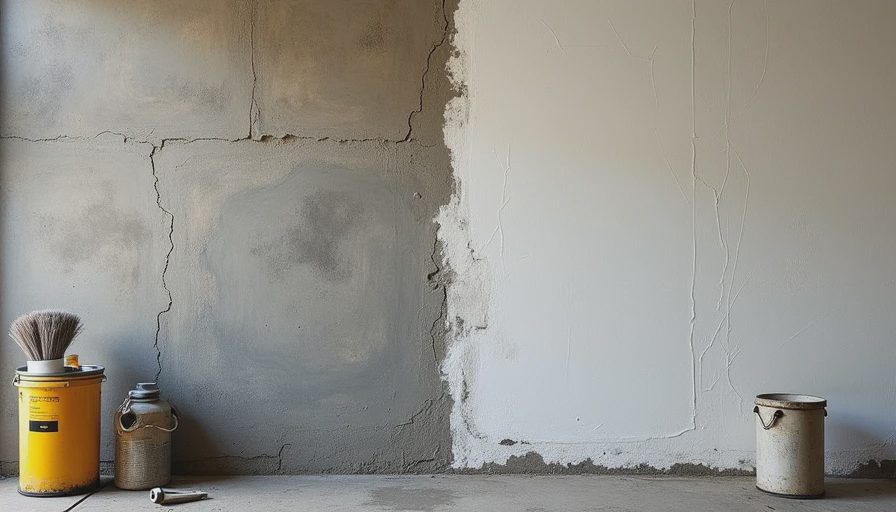
What Makes Basement Paint Different
Look for these key features:
Mold and mildew resistant additives
Alkaline resistant (important for new concrete)
High breathability or vapor permeability in some cases
Low VOC for indoor air quality
Satin or eggshell finish — easier to clean than flat, less reflective than gloss
I prefer products specifically formulated for below-grade or high-humidity environments. They cost more upfront but last significantly longer.
Surface Prep: The Real Secret
Ninety percent of paint failure comes from bad prep:
Clean thoroughly — remove dust, efflorescence, and old loose paint.
Repair cracks and holes properly.
Etch or prime masonry surfaces.
Use a quality primer designed for the substrate.
Make sure the space is dry before painting (use dehumidifiers).
I once had to repaint a “professional” job because they skipped proper cleaning. The new paint failed in months.
My Recommended Systems
For concrete block or poured walls:
Quality masonry primer
Two coats of high-quality mold-resistant satin paint
For drywall:
Standard primer + two top coats of bathroom/kitchen rated paint
In my own basement, I’m using a premium mold-resistant line on all surfaces. The difference in durability is noticeable even after just a couple seasons.
Color Choices That Work Below Grade
Dark colors make basements feel smaller and darker. I recommend:
Light to medium neutrals
Soft grays and greiges
Warm whites with slight undertones
Strategic accent walls for interest
Good lighting helps tremendously. Combine smart paint choices with proper recessed lighting and you’ll avoid the dungeon effect.
Application Tips From the Field
Paint when temperatures are 50-70°F if possible.
Use good ventilation and dehumidifiers.
Apply thin coats — two good thin coats beat one thick one.
Watch for holidays (missed spots) in low light.
Let everything cure fully before moving furniture in.
I always tell homeowners: the painting phase is when you finally see the space come alive. Take your time and do it right.
Common Paint Failures I Fix
Peeling due to moisture behind the paint
Mold growing on flat ceiling paint
Efflorescence pushing through cheap paint
Chipping on high-traffic areas
All of these are preventable with the right materials and prep.
Bottom Line Verdict
Basement paint is a specialized tool, not a commodity. Invest in quality products, do thorough prep, and choose appropriate finishes. Your basement will look better and stay looking good for years longer.
Don’t treat it like the rest of the house. Below grade has its own rules.
What surface are you painting in your basement? Let me know and I’ll give specific recommendations.
Above grade is for the real estate photos. Below grade is where you actually live. Make it look and perform great.
No letters yet — be the first guest to write.