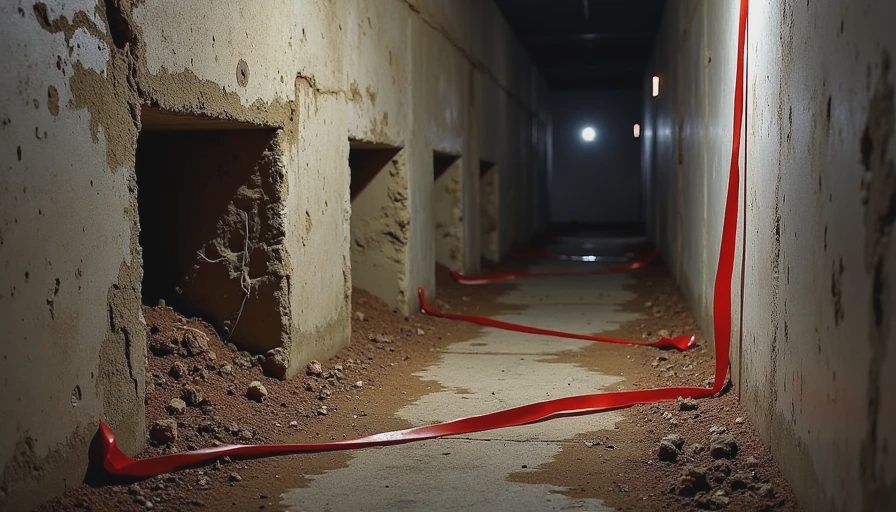
The Things Nobody Talks About Until It’s Too Late
Hey, Ben Harlow here. If you’ve been following along, you know I’m big on doing things right the first time. Today in the waterproofing category, I’m sharing the four things I see fail over and over again in basements within the first five years.
These aren’t dramatic foundation collapses. They’re the sneaky, expensive problems that turn “finished” basements into regret projects. I’ve fixed all of them more times than I can count.
1. Improper Vapor Barriers and Insulation
This is the champion of basement failures.
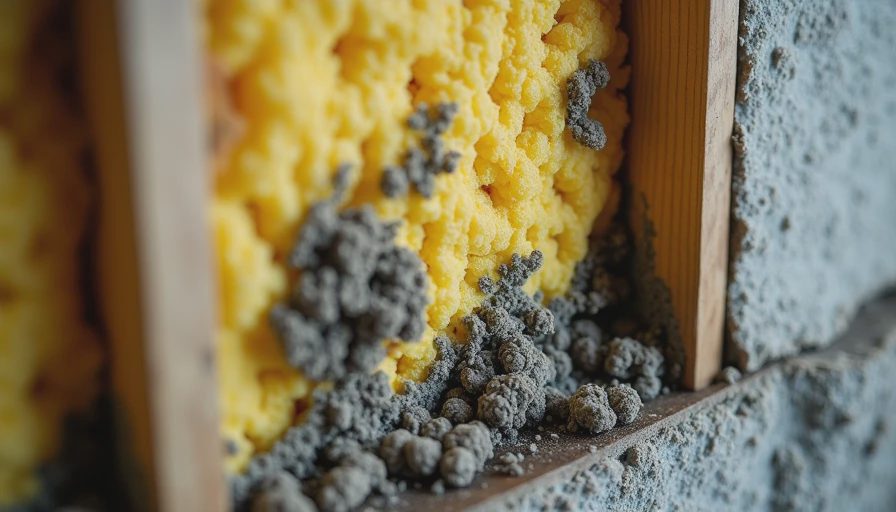
What goes wrong: Homeowners (or cheap contractors) install the vapor barrier backwards, use the wrong type of insulation, or skip it entirely. Moisture sneaks through, insulation gets damp, and mold starts growing behind the walls.
Real example: I once opened a wall on a three-year-old finish job. The fiberglass insulation was black with mold. The “pro” had put the plastic on the wrong side. Cost the homeowner $9,000 to fix.
Prevention: Use closed-cell spray foam on perimeter walls or rigid foam boards with proper seams and tape. Direction matters — warm side in most climates.
2. Failed or Clogged Drainage Systems
Weeping tile, French drains, and sump pumps that aren’t maintained or were installed wrong.
What goes wrong: Tree roots invade, sediment builds up, or the pit was placed in the wrong spot. One heavy rain and suddenly you’ve got water in the finished area.
I’ve pulled roots the size of baseball bats out of weeping tiles. The homeowners had no idea until the carpet squished.
Prevention: Install proper cleanouts, use quality filter fabric, and test your system every spring. Put the sump pit where water actually collects.
3. Poorly Detailed Window Wells and Egress Openings
Water loves to pour straight down into window wells.
What goes wrong: Inadequate grading, missing covers, or wells that collect debris. Water sits against the foundation and eventually finds its way in.
One job I remember had beautiful egress windows but the wells filled with leaves every fall. The owner spent more on dehumidifiers than he did on the original windows.
Prevention: Proper depth, good drainage at the bottom, clear covers, and regular maintenance. Slope the grade away from the house.
4. Inadequate or Missing GFCI Protection and Electrical Issues
Not strictly waterproofing, but moisture and electricity are a terrible combination.
What goes wrong: Outlets without GFCI in damp areas, or wiring that wasn’t properly protected. When moisture hits, you get tripped breakers or worse.
I’ve seen too many “finished” basements where the original electrician cut corners on below-grade requirements.
Prevention: Follow current electrical code religiously. Install GFCI protection on all outlets and consider AFCI as well. Test them monthly.
The Pattern I See Every Time
These four failures usually happen because someone wanted to save a few bucks upfront or didn’t understand how water behaves below grade. The repairs are always 3-5 times more expensive than doing it right initially.
In my own basement, I’m addressing all four of these proactively. Year One was observation. Now I’m building systems that should last decades, not years.
What Actually Holds Up Long Term
Quality closed-cell foam or well-detailed rigid insulation
Properly installed and maintained drainage
Code-compliant egress and window wells
Robust electrical with proper moisture protection
Spend the money here and your basement becomes an asset instead of a liability.
Lessons for Your Project
Don’t let the pretty finishes distract you from the invisible systems. The best basements I’ve ever seen are the ones where the owner (or contractor) obsessed over drainage and moisture control before picking paint colors.
If your basement is already finished and you’re worried, start with a thorough inspection. Catch problems early.
What’s the biggest concern in your basement right now? Tell me in the comments and I’ll give you my straight take.
Above grade is for the real estate photos. Below grade is where you actually live. Protect it like your family’s comfort depends on it — because it does.


No letters yet — be the first guest to write.