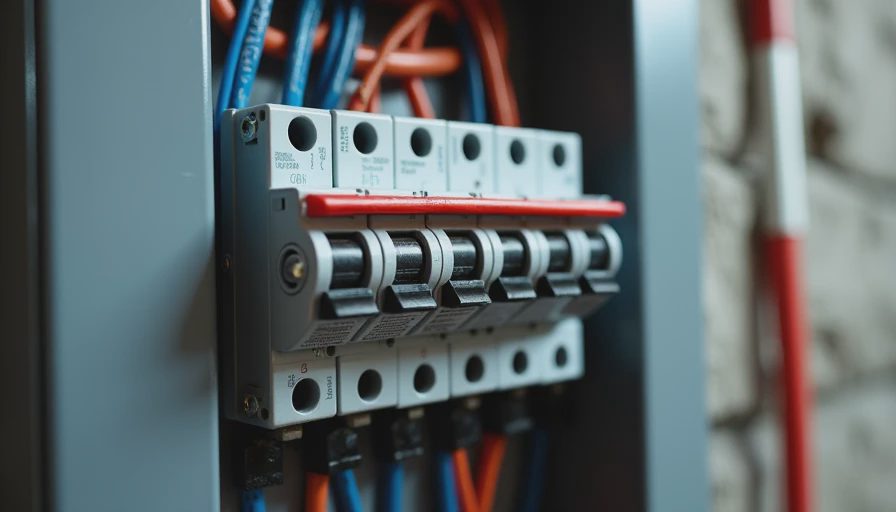
Electricity and Basements: A Serious Combo
Hey, Ben Harlow here. Electricity and moisture are a dangerous mix, and basements have plenty of both. GFCI (Ground Fault Circuit Interrupter) protection isn’t just a suggestion — it’s code for good reason.
After doing electrical rough-ins on hundreds of basement projects, I’ve learned exactly where inspectors look and what actually keeps your family safe. Let’s walk through the real requirements.
Why GFCIs Matter So Much Below Grade
A GFCI outlet or breaker detects when electricity is leaking (like through water) and cuts power fast. In a basement, where floors can get damp and condensation happens, this protection saves lives.
I’ve seen too many older homes with zero GFCI protection. One small leak near an outlet and you’ve got a serious hazard.
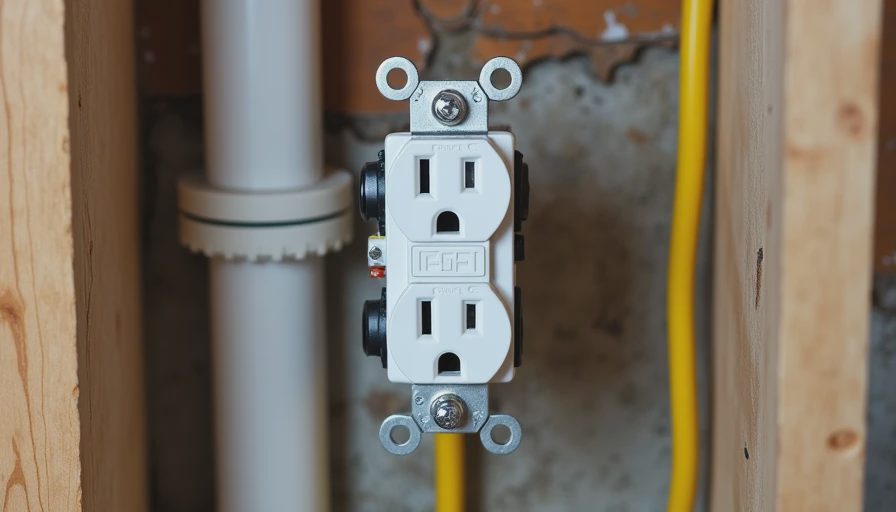
Current Code Requirements (General Overview)
Note: Always check your local amendments — codes vary. But here’s the typical National Electrical Code (NEC) guidance for basements:
All 15- and 20-amp receptacles in unfinished areas
All receptacles in finished areas within 6 feet of sinks, tubs, showers
Laundry areas
All outdoor receptacles (including those accessible from basement)
Garages and accessory buildings (if applicable)
Crawl spaces and unfinished basements
Recent code updates have expanded these requirements. What was fine ten years ago often fails inspection today.
Specific Basement Locations That Need GFCI
Utility areas and unfinished sections — pretty much everything.
Bathrooms — within 6 feet of water sources.
Wet bars or beverage areas.
Near sump pumps and water heaters.
Exterior access doors.
Floor outlets (if you have any).
I always recommend going a little beyond minimum code in basements. Better safe than sorry.
My Practical Installation Approach
Use GFCI breakers for whole circuits when possible — cleaner look, protects everything downstream.
Install GFCI outlets where you need reset access.
Label everything clearly.
Test monthly (the little “test” button).
Protect circuits serving critical equipment with proper surge protection too.
In my own basement project, I mapped every outlet and circuit carefully. The inspectors were happy, and I sleep better at night.
Common Mistakes I See
Installing regular outlets in damp areas.
Forgetting to protect the laundry circuit.
Burying GFCIs behind finished walls where you can’t reach the test/reset buttons.
Using cheap GFCIs that fail quickly.
One homeowner had a beautiful finished basement but failed inspection because the outlets near the future wet bar weren’t GFCI protected. Small oversight, big delay.
Cost Considerations
GFCI outlets cost more than regular ones, but not dramatically. The labor difference is minimal if you plan ahead. Doing it right during rough-in saves major headaches later.
Beyond GFCI: Other Electrical Best Practices
AFCI protection for bedrooms and living areas (arc fault).
Proper lighting circuits and switching.
Dedicated circuits for high-draw items.
Good grounding throughout.
Basement electrical isn’t rocket science, but it rewards careful planning.
Bottom Line Verdict
Treat GFCI requirements seriously. They exist to protect your family in exactly the environment basements create. Install them where required and a bit beyond. Test them regularly.
Your basement should be a safe, comfortable living space — not a place where you worry about electrical hazards every time it rains.
Got a specific setup or local code question? Drop it in the comments. I’ll give you my experienced take.
Above grade is for the real estate photos. Below grade is where you actually live. Keep it safe down there.
No letters yet — be the first guest to write.