
When you search for foundation repair near me, you are usually looking at a crack, a wet wall, a sloping floor, or a door that suddenly refuses to close. The hard part is separating a real structural problem from ordinary concrete shrinkage. I have seen homeowners spend thousands fixing harmless cracks while ignoring the drainage issue that was actually sending water toward the foundation. Start with the evidence, then call the right kind of contractor.
First, figure out what the foundation is doing
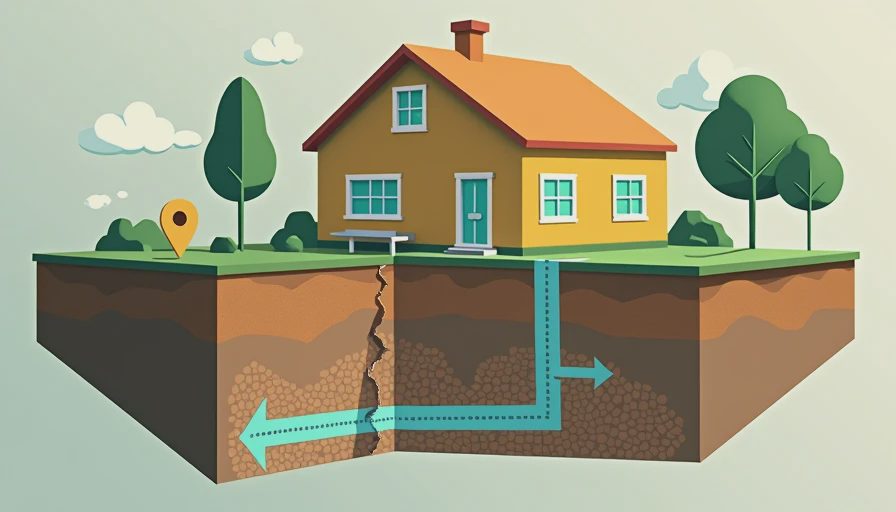
A vertical crack in a poured concrete wall is often caused by normal shrinkage, especially in a newer section of wall. If it is narrow, dry, and unchanged over several months, it may need monitoring rather than a major repair. A horizontal crack deserves more attention because soil pressure can push inward on the wall. Stair-step cracks in a masonry block wall can also indicate movement, particularly when blocks are offset or the crack widens toward the top.
Walk through the basement with a flashlight. Look for bulging walls, displaced mortar, cracked floor slabs, doors that bind, and gaps where the basement wall meets the floor. Measure cracks with a ruler and take dated photographs. Put a small pencil mark at each end, but do not drill, inject, or cover the area before an evaluation. A crack that grows by even a fraction of an inch is more useful information than a dramatic-looking line that has been stable for years.
If water is entering, identify where it starts. Dampness at the wall-floor joint points toward hydrostatic pressure or a failed drainage path. Water around a window may be a grading, window-well, or seal problem. These are not automatically foundation failures, and repairing concrete will not fix a gutter dumping 200 gallons of roof runoff beside the house during a storm.
What a good local inspection should include
A reputable foundation repair near me search should lead to companies that inspect the whole house, not just the most visible crack. The technician should walk the exterior, check downspouts and grading, look at accessible framing, and inspect the basement or crawl space. Ask what evidence supports the recommendation. “The wall looks bad” is not a diagnosis.
The contractor should explain whether the proposed work is structural, waterproofing, or both. Structural options can include carbon-fiber reinforcement, steel bracing, wall anchors, helical piers, or concrete underpinning. Waterproofing may involve exterior excavation, interior drainage, a sump pump, crack injection, or improved surface drainage. Each system solves a different problem. A company selling the same wall anchors to every homeowner is not giving you a real assessment.
Ask for a written scope that names the affected walls, repair method, materials, access requirements, cleanup, permits, and warranty terms. The estimate should also state what is not included. For example, an interior drain system might control basement water but leave a damaged foundation wall untouched. A structural repair might stabilize movement without making a wet basement dry.
Foundation repair costs and warning signs in estimates
For a straightforward crack injection, homeowners often see estimates in the range of several hundred to roughly $1,500, depending on access and the repair material. Interior drainage and sump work can run from a few thousand dollars upward. Exterior excavation, wall replacement, or significant structural stabilization can reach $10,000 to $25,000 or more. Underpinning is a different category entirely and can cost substantially more because it involves engineered work, excavation, and careful load transfer.
Those ranges are planning numbers, not promises. Soil, foundation type, depth, access, local labor, and the number of affected areas matter. A basement with a narrow side yard and mature landscaping costs more to excavate than a house with open equipment access. A contractor who gives you an exact price over the phone after hearing only “I have a crack” is guessing.
Be cautious when searching for foundation repair near me if the first company uses an immediate-sale discount, demands a large cash deposit, or claims every crack requires wall replacement. Another warning sign is a warranty with vague language about exclusions, transferable coverage, or future movement. Get at least two written opinions for expensive work, and consider paying for an independent structural engineer when the wall is bowed, the house is settling unevenly, or multiple rooms show related symptoms.

Fix the water outside before finishing the basement
Before framing a basement, correct the water path around the house. Clean gutters and extend downspouts at least 6 to 10 feet away where site conditions allow. Soil should generally slope away from the foundation, but exact grading requirements and drainage rules vary by location. Remove mulch or soil that has built up against siding and window wells. A downspout buried into a clogged drain line can put more water beside the foundation than an open discharge.
This is where many basement projects go wrong. I once inspected a finished lower level with expensive flooring, painted drywall, and a brand-new theater wall. The owner had paid for crack sealing, but the rear downspout ended about 18 inches from the house. After a heavy storm, water followed the foundation and appeared behind the baseboard. The repair was not another tube of sealant; it was correcting the drainage and drying the wall before rebuilding.
If the basement has a sump pump, test it by pouring water into the pit until the float activates. Confirm that the discharge line carries water away from the foundation and has a working backup plan if power outages are common. A battery backup can be useful, but it does not replace a properly sized primary pump or a clear discharge route.
Questions to ask before signing a contract
When evaluating foundation repair near me, ask whether the company carries general liability insurance and workers’ compensation coverage. Confirm who will perform the work, whether subcontractors are involved, and who pulls required permits. Ask for local references involving the same foundation type and repair method, not just any remodeling project.
Find out how the company verifies success. Will it use crack monitors, elevation measurements, laser levels, or photographs? For a pier or anchor system, ask how placement and spacing are determined. For waterproofing, ask where collected water goes and what happens if the pump fails. Clear answers are a better sign than a glossy brochure.
Read the warranty before work begins. A warranty covering materials is not necessarily a warranty against movement or water intrusion. Some warranties require annual pump maintenance or exclude damage caused by grading changes. Keep the contract, drawings, receipts, photographs, and permit records with your house documents. Those records can help during a future sale and give the next contractor a useful starting point.
Bottom line for homeowners
The best foundation repair near me result starts with diagnosis, not a sales presentation. Photograph the symptoms, inspect drainage, and decide whether you are dealing with movement, water, or both. Use written estimates that explain the method and limits of the work. Do not let a contractor frighten you into a $20,000 solution for a stable hairline crack, but do not cover a growing horizontal crack with drywall and hope it disappears.
Above grade is for the real estate photos. Below grade is where you actually live. Stabilize the structure, control water, and only then spend money on insulation, framing, flooring, or a finished basement. Do this in the right order and you avoid the most expensive basement mistake: rebuilding the same wall twice.


No letters yet — be the first guest to write.