
Sidewalk leveling is one of those home repairs people ignore until somebody catches a toe on a raised slab. Then the repair becomes urgent, especially when the walkway leads to your front door, garage, or steps. I have seen homeowners spend months planning a basement remodel while a two-inch concrete lip sits outside the house waiting to hurt somebody. That is backward. Fix the water and safety problems first; decorate later.
The good news is that sidewalk leveling usually costs less and creates less mess than tearing out an entire walkway. The right method depends on why the concrete moved, how much it dropped, and whether the slabs are still structurally sound. A small settled panel is a different job from a cracked walkway beside a failing foundation drain.
Why Concrete Sidewalks Sink and Rise
Most settled sidewalks have a soil problem underneath them, not a concrete problem. When the original base was poorly compacted, rainwater can wash fines away and leave a hollow space below the slab. Soil also settles naturally after excavation. This is common beside newer homes, where the ground around utility trenches and foundations was disturbed during construction.
Water is usually involved. A downspout dumping beside the walk can soften soil and carry it away. A leaking hose bib, broken irrigation line, or clogged gutter can do the same thing. In cold climates, freeze-thaw cycles lift and drop slabs as wet soil freezes, expands, and later contracts. Tree roots can raise a panel from below, although roots are less likely to cause a clean, uniform drop.
Before sidewalk leveling, walk the area after a hard rain. Look for standing water, muddy joints, washed-out soil, and downspouts aimed toward the path. If the drainage problem remains, a newly leveled slab can settle again. Concrete is heavy, but it is not a substitute for a stable base.
Check the Walkway Before Choosing a Repair
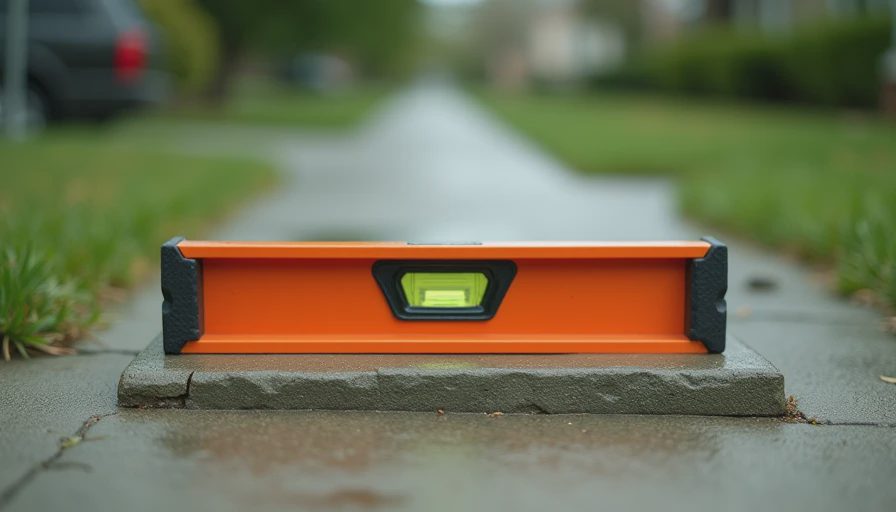
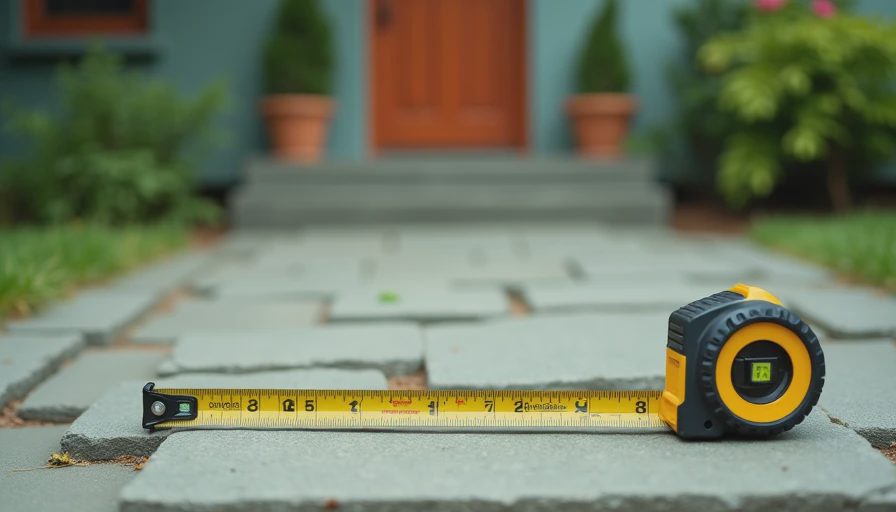
Start with a straight two-by-four and a tape measure. Lay the board across the joint between panels and measure the highest gap underneath it. A quarter-inch change is annoying but usually manageable. A one-inch lip is a real trip hazard. A drop of two inches or more deserves a closer look because it can affect nearby steps, thresholds, and drainage.
Check each slab for wide cracks, crumbling edges, and rocking movement. A panel that moves when you step on it may have a large void beneath it. A slab broken into several pieces may not survive lifting. In that situation, replacement is often more sensible than sidewalk leveling. Also check where the walkway meets the house. If the concrete slopes toward the foundation, correcting the height without correcting the pitch can send water into the basement.
Do not assume every uneven surface is a contractor emergency. Mark the height difference with a pencil, take photographs, and observe it for a few weeks if there is no immediate safety issue. If the gap is growing, water is collecting, or a foundation crack is nearby, move the repair higher on the list.
The Main Sidewalk Leveling Methods
Mudjacking pumps a cement-based slurry beneath the slab through small drilled holes. The material fills voids and lifts the concrete. It is proven, strong, and often appropriate for thick sidewalks, driveways, and steps. The tradeoff is weight. The slurry adds substantial material under the panel, which can put pressure on weak soil and may cause future settlement if drainage is poor.
Polyurethane foam lifting uses expanding foam injected through smaller holes. The foam weighs much less than cement slurry and can fill narrow voids. Crews can often complete a short walkway quickly, with less drilling and less cleanup. Foam is not magic, though. It will not repair a panel that is fractured through its middle, and the crew still needs to control where the material travels.
Grinding is another option for a minor lip. A concrete grinder removes the raised edge instead of lifting the sunken slab. This works when the height difference is small and the surrounding drainage is already acceptable. It is not a true sidewalk leveling repair because the low panel remains low. Use it when safety matters more than restoring a perfect slope.
Replacement is the right answer when concrete is badly cracked, tilted in several directions, or too thin to lift safely. A proper replacement includes removal, compacted base material, reinforcement where appropriate, and control joints. It is more disruptive, but a new slab is preferable to repeatedly lifting a panel that has already failed.
What Sidewalk Leveling Usually Costs
For a short residential walkway, sidewalk leveling commonly falls somewhere between a few hundred dollars and roughly $2,000, depending on access, the number of slabs, and the repair method. Small foam injections may start near the lower end when the crew can park close to the work. Mudjacking a long walkway, front steps, or several driveway panels can move toward the upper end or beyond it.
Replacement often costs more because the old concrete must be removed and hauled away. A basic panel replacement may run several hundred dollars per section, while difficult access, thick concrete, stairs, or extensive base correction increase the bill. Ask for the price to include drilling, patching holes, cleanup, and any drainage work. A low estimate that excludes those items is not really low.
Get at least two written estimates. Ask each contractor what caused the settlement, how much lift they expect, and what happens if the slab cannot be raised evenly. A reputable company should explain the failure, not just point at a foam machine and promise a level surface.
How to Choose a Contractor Without Getting Burned
Look for a contractor who specifically performs concrete lifting or slab repair, not just a general handyman who owns a rented pump. Ask for proof of liability insurance and confirm whether the work has a workmanship warranty. The warranty should explain what is covered, how long it lasts, and whether drainage issues are excluded.
Pay attention to the proposal. It should identify the panels being lifted, the expected height correction, the injection material, and the cleanup plan. If the walkway borders a foundation, ask how the crew will avoid damaging waterproofing, window wells, irrigation lines, or buried utility cables.
Be cautious with anyone who says the repair will last forever. Soil movement, groundwater, tree roots, and future excavation can change the result. A good contractor can give you a reasonable service expectation and tell you what site conditions could shorten it. Sidewalk leveling is a repair, not a guarantee that the surrounding soil will never move again.
A Practical Repair Plan for Homeowners
Start by fixing obvious water sources. Extend downspouts several feet away from the foundation, repair leaking irrigation, and make sure gutters are not overflowing onto the walkway. Do not bury a drainage problem beneath a fresh lift.
Next, document the surface. Photograph every joint, measure the largest height difference, and note whether the slab rocks. Mark underground utilities before any drilling. Then collect estimates that compare lifting, grinding, and replacement rather than asking only for the cheapest option.
If the slab is sound and has dropped evenly, sidewalk leveling is usually the efficient choice. If the panel is shattered or the ground is actively washing away, spend the money on base repair and replacement. Afterward, keep joints sealed where appropriate, maintain gutters, and watch the area through the next wet season.
The bottom line is simple: do not treat a sinking walkway as a cosmetic nuisance when it directs water toward your home or creates a trip hazard. Diagnose the soil and drainage first, then choose the repair that matches the concrete's condition. Good sidewalk leveling restores a safe slope without the noise, cost, and waste of replacing every slab. Above grade is for the real estate photos. Below grade is where you actually live, and getting there safely starts with a sidewalk that stays put.


No letters yet — be the first guest to write.