
A cracked basement floor is easy to ignore until the crack grows wide enough to catch a broom, a door starts sticking, or water shows up after a storm. Slab piers are one repair method contractors use to stabilize a settled concrete slab or support a foundation that has lost bearing. They are not a magic fix for every basement problem, and installing them before finding the cause can turn an expensive repair into an expensive mistake.
I have seen homeowners spend thousands on cosmetic crack injection when the soil underneath was still moving. I have also seen people get sold a full underpinning system when the slab had only shrunk during curing. The first job is separating normal concrete behavior from actual settlement.
What slab piers actually do
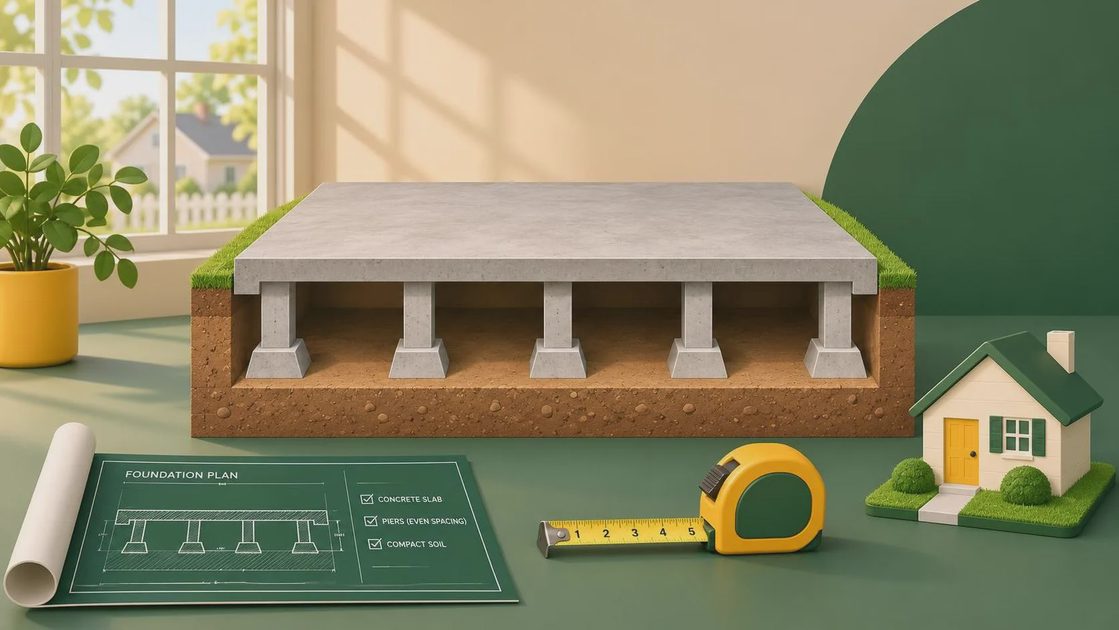
Slab piers are structural supports installed through or beneath a concrete slab. Depending on the system, a contractor may drive steel sections into stable soil or bedrock, then connect those sections to the slab with a bracket or load-transfer assembly. The goal is to transfer weight away from weak, compressible soil and into stronger material below.
That is different from filling a void with foam or pumping grout under the concrete. Foam lifting can raise a sunken slab, while grout injection can fill gaps and support an area. Those methods can be useful for sidewalks, garages, and some interior floors. They do not automatically solve ongoing soil movement. Slab piers are primarily a structural stabilization tool, not a leveling shortcut.
A properly designed system may stop additional movement, but “level” does not always mean “flat.” Concrete, framing, and masonry can be damaged if a crew forces a settled section back to its original elevation too aggressively. On an older house, controlled stabilization is often safer than trying to make every corner perfectly level in one afternoon.
Signs your slab may need structural support
Look at the pattern, not one isolated crack. A hairline crack that stays the same size for years is usually less concerning than a crack that opens noticeably over several months. Watch for vertical displacement, where one side of a crack sits higher than the other. That step is more meaningful than a simple surface line.
Other warning signs include a basement wall crack that lines up with a floor crack, gaps beneath interior partition walls, uneven flooring, doors that swing open by themselves, and plumbing leaks caused by shifting drain lines. A crack wider than about one-eighth inch deserves attention, especially if it is growing. That measurement is not a universal danger threshold, but it is a practical reason to document the condition and call a qualified foundation engineer or repair contractor.
Take dated photographs with a ruler in the frame. Mark the ends of a crack with pencil and write the date nearby. A simple crack monitor costs far less than a repair and gives you evidence about movement. Do not cover the area with flooring before you understand what is happening.
How contractors evaluate the repair
A good evaluation starts outside. The contractor should inspect grading, downspouts, gutters, soil conditions, foundation walls, and any history of flooding. Water that repeatedly softens soil beside a footing can contribute to movement, and no pier system replaces proper drainage.
Inside, the evaluator should check slab elevations with a laser or level rather than relying on a tape measure and a flashlight. Ask for readings at multiple points. A two-inch drop across a room tells a different story from a quarter-inch variation spread across the same area.
The contractor should also identify whether the slab is structural or merely a basement topping slab. In many homes, the foundation walls and footings carry the house while the basement floor is poured later and is not supporting the building. Supporting that floor may improve a walking surface without addressing a moving wall or footing. A written scope should state exactly what will be supported, what movement is expected, and whether the work includes lifting, stabilization, crack repair, or drainage improvements.
Installation, access, and basement damage
Installing slab piers usually means cutting or drilling access points through the concrete. A crew may remove small sections of slab, excavate beneath them, install the steel or helical components, and reconnect the bracket to the concrete. The number of supports depends on load, soil, beam layout, and the engineer’s design. There is no honest universal answer such as “one pier every six feet.”
Expect dust, noise, concrete debris, and temporary removal of stored items. Finished basements make the job more complicated. Carpet, laminate, cabinets, and framed walls can block access, and a contractor may need to open drywall to reach a footing or beam. Get the restoration plan in writing before signing. Ask who patches concrete, replaces flooring, removes debris, and handles drywall or trim.
Do not let a sales representative promise that your entire house will be lifted without consequences. Raising one settled section can stress brittle masonry, rigid plumbing, tile, and drywall. The safer target is usually stabilization followed by limited correction where the structure can tolerate it.

What slab piers cost
Pricing depends heavily on access and depth. For a small interior repair, a homeowner might see a project in the several-thousand-dollar range. Larger jobs involving many supports, excavation, engineering, concrete replacement, and finished basement restoration can reach $15,000 to $30,000 or more. Those are planning ranges, not bids.
A quote should separate the structural work from optional cosmetic work. Ask whether engineering is included, whether permits are required locally, how the contractor handles refusal depth, and whether the warranty covers only materials or also future movement. A warranty that says “lifetime” is not useful if it excludes soil movement, drainage, plumbing leaks, or nearly every condition that caused the problem.
Get at least two detailed proposals. Compare the proposed repair, not just the total price. A $7,500 quote for six properly designed supports may be more complete than a $4,000 quote that leaves drainage and concrete restoration out of scope.
Mistakes I would avoid
The biggest mistake is choosing a repair before getting a diagnosis. Another is ignoring water management. Clean the gutters, extend downspouts at least several feet from the foundation, and correct obvious low spots before evaluating long-term movement. You may still need structural work, but you will not be asking a new support system to fight the same preventable water problem.
Avoid contractors who cannot explain the soil, the load path, and the intended result in plain language. Be cautious when the estimate arrives with a same-day discount, a dramatic guarantee, or a demand for a large deposit before inspection details are provided. Foundation repair is too expensive for pressure tactics.
Finally, do not finish over an unresolved crack. Above grade is for the real estate photos. Below grade is where you actually live, and drywall hides evidence you may need later.
The bottom line
Slab piers make sense when a concrete slab or supported foundation area has lost reliable bearing and continues to move. They are not automatically the answer for every crack, low spot, or damp basement. Document movement, correct drainage problems, get a structural explanation, and compare written scopes before work begins. Stabilize first, restore finishes second, and do not pay for a perfect-looking floor when the real problem is still underneath it.


No letters yet — be the first guest to write.