
When a sidewalk tilts toward the house, a driveway develops a sharp step, or a basement slab drops enough to catch your toe, concrete leveling companies start looking pretty attractive. They can often correct an uneven slab without the demolition, hauling, and replacement cost of a full pour. The trick is finding a crew that fixes the cause instead of simply pumping material under the concrete and leaving you with the same problem next spring.
I have watched homeowners spend $4,000 replacing a driveway that could have been lifted for less than half that amount. I have also seen foam leveling used on soil that was still washing away. The repair looked perfect on Friday and had a new low spot by the following year. Before you call concrete leveling companies, figure out what moved, what caused it, and whether the slab is still worth saving.
What concrete leveling actually fixes
Most settled concrete has one of three problems underneath it: poorly compacted fill, soil erosion from water, or expanding and contracting soil. A leveling contractor drills small holes through the slab, injects a material below it, and raises the concrete gradually. The work can correct a sunken porch, garage apron, patio, walkway, pool deck, or section of driveway.
It does not repair every concrete problem. A slab that is cracked into several loose pieces may need replacement. Concrete that has been undermined by a broken drain line will settle again unless the plumbing and soil are repaired first. If the foundation itself is moving, lifting the nearby sidewalk is treating the symptom, not the structural issue.
Look at the pattern before looking at the price. A single corner that dropped usually points to localized washout or weak fill. A long, smooth slope across an entire driveway can indicate broader grading or compaction trouble. Water should not be allowed to run toward the slab after the work is complete.
Mudjacking versus polyurethane foam
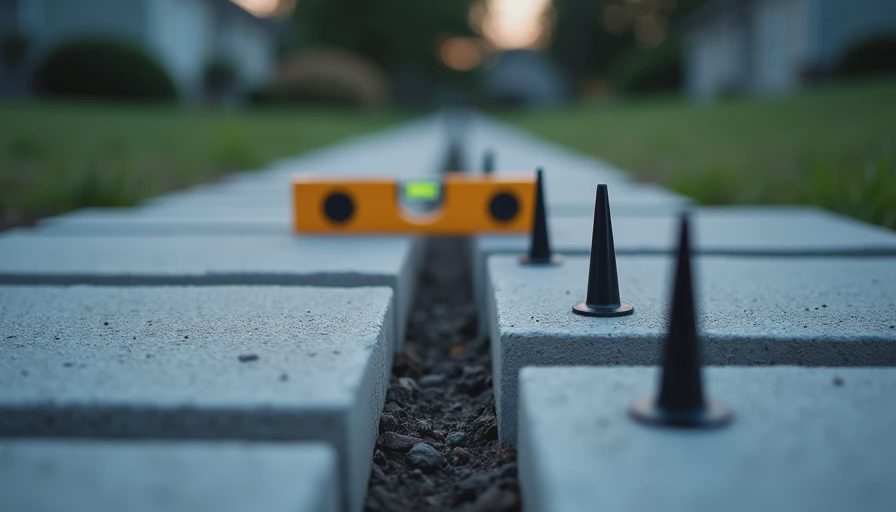
Traditional mudjacking, also called slabjacking, uses a cement-based slurry pumped beneath the slab. The material is relatively inexpensive, and it adds weight and fills larger voids. For a thick driveway or a heavily loaded concrete landing, that extra mass can be useful. The tradeoff is larger drill holes, heavier equipment, and more disturbance to soft soil.
Polyurethane foam leveling uses expanding foam injected through smaller holes. It is lighter, cures quickly, and works well where access is tight or the slab sits over soil that should not be loaded with more cement. Foam is commonly priced higher, often around $8 to $25 per square foot depending on access, thickness, and the amount of lift required. Mudjacking may run roughly $4 to $12 per square foot, but local pricing varies substantially.
Neither material is magic. Foam can lift too aggressively if the operator rushes the injection. Slurry can travel into unwanted voids or put pressure against adjacent concrete. Ask concrete leveling companies which material they recommend for your soil and why. A real answer should mention drainage, slab thickness, void size, and the planned injection pattern, not just the company's preferred product.
How to compare concrete leveling companies
Start with the inspection, not the sales pitch. A reputable contractor should walk the entire area, check where water flows, measure the height difference, and identify nearby cracks or joints. They should also explain whether the slab will be lifted to its original position or simply made safer and more usable. Perfect recovery is not always possible, especially when concrete has broken edges or reinforcing steel has shifted.
Request a written proposal with the measured area, leveling method, number and size of drill holes, crack sealing, cleanup, and warranty terms. Some concrete leveling companies advertise a low square-foot price and then add separate charges for mobilization, difficult access, or concrete replacement. A complete quote makes comparison possible.
Ask whether the crew carries general liability insurance and workers' compensation coverage. You do not need a long corporate history, but you do need a business willing to put its name and warranty in writing. Check recent local reviews for comments about return visits and cleanup, not just five-star statements about fast scheduling.
A useful question is, “What would make you refuse this job?” Contractors who admit a slab needs replacement sometimes deserve more trust than companies that claim to lift everything.

Warning signs that the repair will not last
Be cautious when concrete leveling companies promise that every slab will look brand new. Lifting can improve elevation, drainage, and safety, but it cannot erase every crack, spall, or broken corner. Concrete is still concrete. If the surface has freeze-thaw damage, exposed aggregate, or years of deicing-salt deterioration, those defects remain after leveling.
Another warning sign is a quote that ignores water. Look for downspouts dumping beside the slab, a leaking hose bib, a failed driveway drain, or soil washed away along the edge. A contractor may need to recommend extending downspouts, regrading soil, sealing joints, or repairing a drain before injection. That is not an upsell when the water is the reason the ground disappeared.
Watch the warranty language too. “Lifetime warranty” can sound impressive while excluding soil movement, drainage problems, cracking, and repeat settlement. Ask what the warranty covers, how long it lasts, and whether labor is included if the slab drops again. Get the answers on the proposal rather than relying on a salesperson's verbal assurance.
What the job should look like
For a typical walkway or garage apron, the crew first marks lift points and protects nearby walls, landscaping, and vehicles. They drill a pattern of small holes, often less than two inches for foam, then inject material in short bursts. The operator should check the slab repeatedly with a level or laser instead of holding the trigger until the concrete jumps.
After the lift, the holes are patched with a matching cement material, open joints are sealed when included, and excess foam or slurry is removed. The finished slab should drain away from the house. You should not see a large hump at the garage threshold or a new gap where the slab meets a step.
Stay available during the work. If a corner begins lifting while a door frame binds, speak up immediately. A careful operator can adjust the injection sequence. It is much easier to correct the lift while the equipment is connected than after the crew has packed up.
A practical budget and hiring plan
Small walkway repairs can cost several hundred dollars, while a driveway, pool deck, or large patio can reach $2,000 to $6,000 or more. Replacement costs climb quickly when demolition, hauling, gravel base, reinforcement, permits, and landscaping are included. Compare the total repair against replacement, but also compare the expected service life and the cause of settlement.
Get at least two or three estimates from concrete leveling companies. Give each contractor the same information: slab dimensions, approximate drop, drainage history, access restrictions, and photos taken from several angles. Ask each one to separate leveling, crack repair, joint sealing, and drainage work. That prevents a cheap-looking quote from hiding important exclusions.
The best concrete leveling companies are not necessarily the ones with the lowest bid. They are the crews that explain the failure, choose an appropriate material, control the lift, and leave the water problem solved. Above grade is for the real estate photos. Below grade is where you actually live, and the same rule applies outside: fix the ground and drainage before you celebrate a flat surface.
Bottom line: save an intact slab when the base can be stabilized, but do not pay for a cosmetic lift over active erosion. Choose concrete leveling companies that inspect the whole site, document the repair, and tell you when replacement is the honest answer.


No letters yet — be the first guest to write.