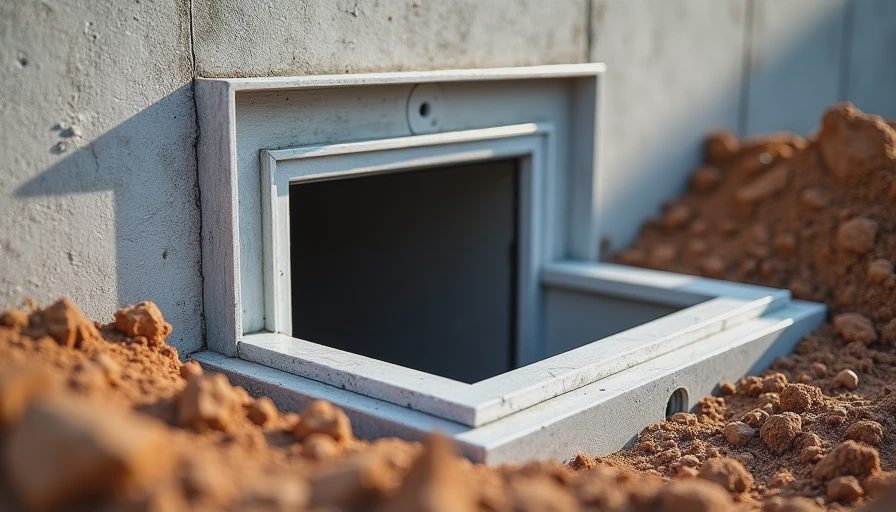
Why Egress Windows Are Non-Negotiable
Hey, Ben Harlow back with another straight-talk basement lesson. If your basement has bedrooms or living spaces, egress windows aren’t optional — they’re life safety requirements in most codes.
I’ve cut in plenty of these over the years, and I’ve also seen the expensive mistakes homeowners make when they try to cheap out. Let’s break down the real costs and process so you know what you’re getting into.
What Makes a Proper Egress Window
According to most building codes (check your local version), an egress window needs:
Minimum opening of 5.7 square feet
Minimum height of 24 inches
Minimum width of 20 inches
Sill height no more than 44 inches from the floor
Easy operation from inside without tools or keys
It’s not just about getting out — it’s about first responders being able to get in too.
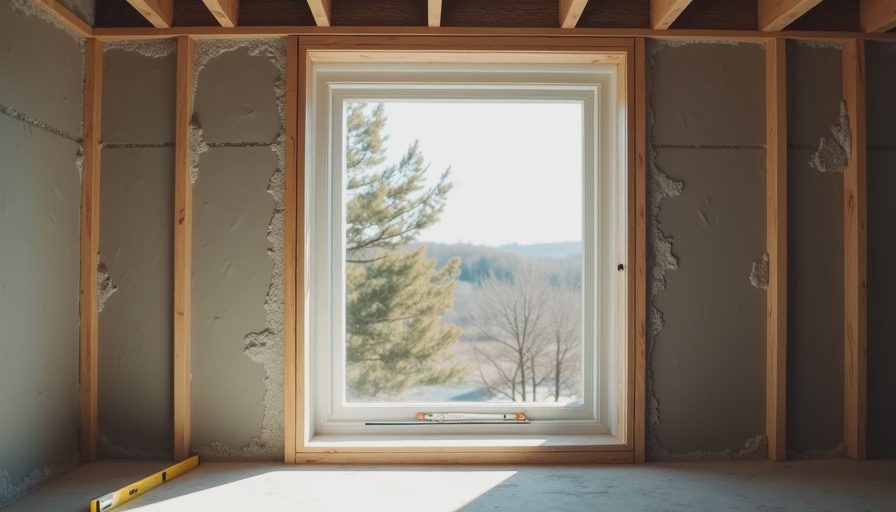
Full Cost Breakdown (2026 Indianapolis Area)
Here’s what I’m seeing on current jobs:
Window unit itself: $300 – $800 (casement or slider, code-compliant)
Concrete cutting and removal: $800 – $1,800
Window well: $400 – $1,200 (prefab vs custom)
Well cover/grate: $150 – $400
Excavation and grading: $300 – $900
Permits and inspections: $150 – $450
Labor and finishing: $800 – $1,600
Misc (framing, trim, sealing): $200 – $500
Total average per window: $3,500 – $7,000
Yes, it’s a chunk of money. But it’s required for legal bedrooms and dramatically increases safety and resale value.
The Process Step by Step
Check local codes and pull permits first.
Locate utilities — hitting a gas line is expensive.
Cut the opening — this is messy and loud.
Install the window with proper flashing and sealing.
Build the exterior well and ensure proper drainage.
Finish interior with trim and paint.
Get final inspection.
I always recommend doing this before finishing the rest of the basement. Cutting concrete after everything is done is a nightmare.
My War Stories From the Field
One homeowner tried to save money by installing a tiny window that didn’t meet code. When they went to sell, the appraiser wouldn’t count the bedroom. They had to rip it out and redo it. Cost them double in the end.
Another job had beautiful wells but poor drainage. Water collected and turned the window well into a fish tank. Proper grading and gravel make all the difference.
Tips to Save Money Without Cutting Corners
Install multiple windows at once to reduce mobilization costs
Choose standard sizes when possible
Use prefab window wells instead of custom masonry
Do some of the interior finishing yourself
Schedule during dry seasons for easier excavation
In my own basement project, we added two egress windows. Total investment around $9,200 for both, but it turned two dark rooms into legal bedrooms. Worth every penny.
When You Can Skip or Minimize
If your basement has a walk-out door already, you may not need as many windows. Interior rooms almost always need them. Always confirm with your local building department — don’t trust online advice for this.
Bottom Line Verdict
Expect to spend $4,000–$6,000 per well-installed egress window in most cases. It’s not cheap, but it’s one of the most important safety and code upgrades you can make.
Plan it early, do it right, and you’ll have peace of mind plus better resale value. Cheap out here and you’ll likely pay more later.
Questions about your foundation type or specific code? Ask below — I’ve dealt with most variations around central Indiana.
Above grade is for the real estate photos. Below grade is where you actually live. Make sure you can get out safely.

No letters yet — be the first guest to write.