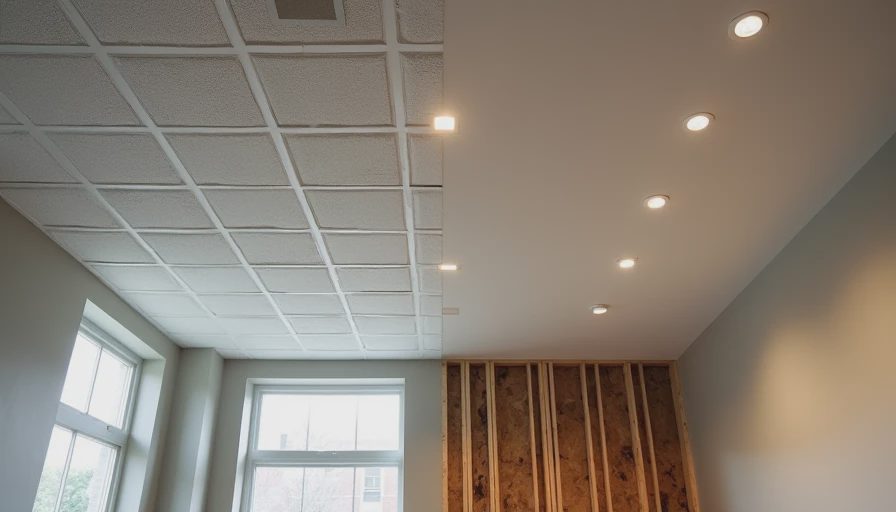
Ceiling Choices That Actually Matter
Hey, it’s Ben Harlow. You’ve got the walls framed, insulation done, and now you’re looking up at those floor joists wondering what to do with the ceiling. This decision affects everything from lighting to maintenance to how the space actually feels.
I’ve installed both drop ceilings and drywall ceilings in basements across the Indianapolis area. Neither is universally “better” — it depends on your specific situation. Let’s get honest about the trade-offs.
Drop Ceilings — The Practical Classic
Drop ceilings (also called suspended ceilings) are still very common in basements for good reason.
Pros:
Easy access to plumbing, electrical, and ductwork
Excellent sound absorption
Cheaper and faster to install
Forgiving on uneven joists
Easy to replace damaged tiles
Cons:
Can feel more “basement-y” and commercial
Lower light reflection
Tiles can sag over time in humid conditions
Limited insulation value
I’ve used them successfully in utility areas, workshops, and rental properties where access is important.
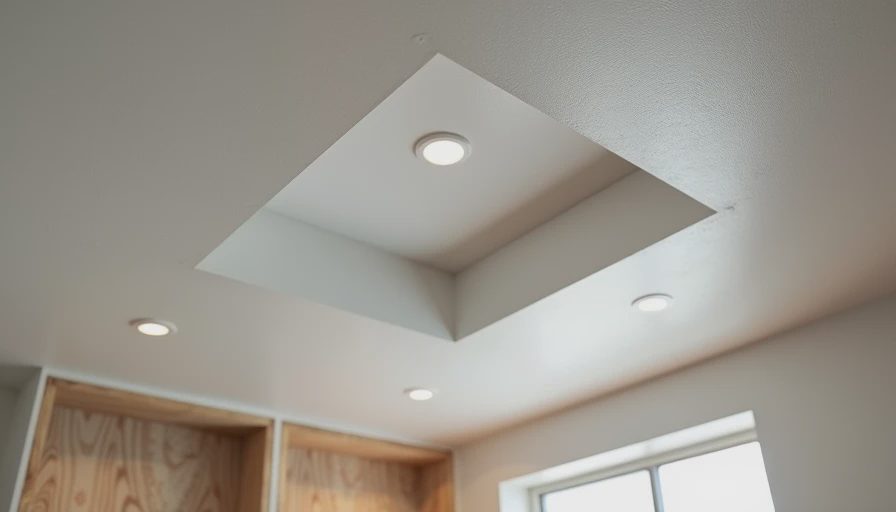
Drywall Ceilings — The Finished Look
Drywall (sheetrock) gives you that seamless, above-grade feel.
Pros:
Cleaner, more modern appearance
Better light reflection
Can be painted any color
Higher perceived value
Works great with recessed lighting
Cons:
Much harder to access utilities later
More labor intensive (especially finishing)
Heavier — needs proper support
Cracks more easily if the house settles
Moisture can cause bigger issues if not detailed correctly
In my own basement, I’m going with drywall for the main living area because we plan to use it as real living space for years.
Cost and Time Comparison
Real numbers from recent projects:
Drop ceiling: $3.50 – $6.50 per sq ft installed
Drywall ceiling: $6 – $11 per sq ft installed (including paint)
For a 600 sq ft area:
Drop ceiling: ~$2,500 – $4,500
Drywall: ~$4,200 – $7,500
Drywall takes longer — usually 1-2 weeks versus 2-3 days for drop ceiling. But the finished look is dramatically different.
My Honest Recommendations
Choose drop ceiling if:
You need frequent access to mechanicals
Budget is tight
The space is more utility or workshop oriented
You want maximum sound control
Choose drywall if:
You want a true living space
You’re willing to invest in the finish
Lighting design is important
Long-term aesthetics matter most
For most family rec rooms and home theaters these days, I lean toward drywall with good access panels in strategic locations.
Important Details for Both Options
No matter what you choose:
Use moisture-resistant board near potential wet areas
Properly insulate above the ceiling
Plan lighting early — recessed lights need depth
Consider soundproofing if bedrooms are above
Make sure everything meets current code for egress and fire rating
I’ve had to cut into too many beautifully finished drywall ceilings because the homeowner didn’t plan for future access.
Lessons From My Own Basement Project
Three years into our basement renovation, I’m glad I chose drywall for the main area. It transformed the space from “basement” to “extra living room.” I did build in several access panels though — learned that lesson early.
The kids already love the finished look, and Kate says it finally feels like part of the house instead of an afterthought.
Other Ceiling Options
Wood paneling: Can look great but hides problems
Exposed joists: Industrial look if painted well
Coffered or tray ceilings: Fancy but expensive
Stick with the basics unless you have a specific design goal.
Bottom Line Verdict
Drop ceilings are practical and budget-friendly. Drywall ceilings look and feel like real living space but cost more and limit access.
For most homeowners turning their basement into comfortable living space, I recommend drywall with smart access solutions. But there’s no shame in a well-installed drop ceiling if it fits your needs and budget.
Think about how you’ll actually use the space for the next 10-20 years. Then choose accordingly.
Got questions about your ceiling height or joist layout? Drop them in the comments — I’ve worked with just about every configuration out there.
Remember: Above grade is for the real estate photos. Below grade is where you actually live. Make it comfortable.



No letters yet — be the first guest to write.