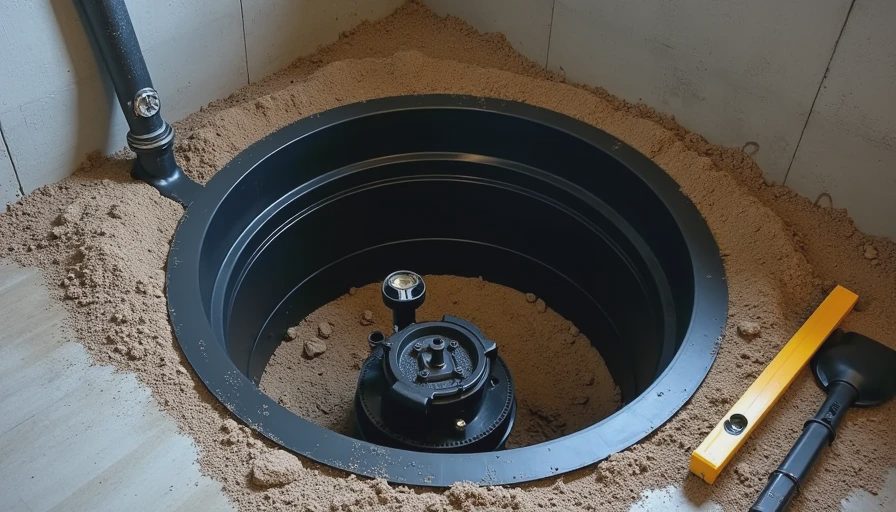
The Most Important Hole in Your Basement
Hey, Ben Harlow here. If there’s one thing that keeps me up at night about basements, it’s sump pumps. Not because they’re complicated — but because people get them wrong so often in such expensive ways.
Today we’re talking sump pump pit placement. I’ve seen pits in the middle of the floor, too close to walls, not deep enough, and even completely missing when they were desperately needed. Let’s fix that.
Why Pit Placement Matters More Than You Think
A sump pump is your basement’s last line of defense. But if the pit is in the wrong location, it can’t do its job effectively. Water takes the path of least resistance. Your pit needs to be where that water naturally wants to go.
I learned this the hard way early in my career when a “professionally installed” system failed during a big storm because the pit was on the wrong side of the foundation.
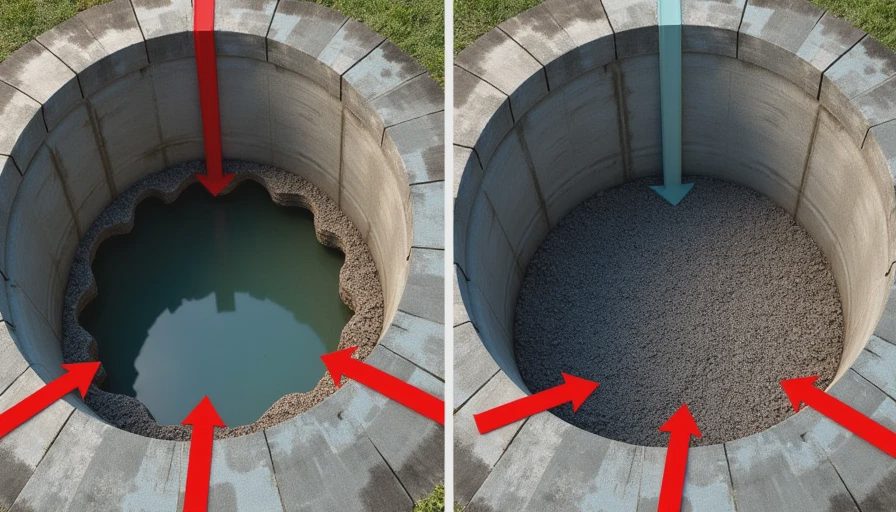
The Ideal Sump Pump Pit Location
After 300+ basements, here’s my standard recommendation:
Primary location: Lowest point in the basement floor, ideally in a corner or along the wall where two foundation walls meet. This catches water from multiple directions.
Secondary considerations:
Near the main water entry points (usually the lowest exterior grade)
Accessible for maintenance
Not directly under future living space if possible
At least 10-15 feet from the furnace or water heater (noise and humidity)
In most ranch and colonial homes around Indianapolis, the northeast or northwest corner ends up being the sweet spot.
Common Pit Placement Mistakes I Fix Constantly
Mistake #1: Dead Center in the Floor
Looks symmetrical. Terrible for drainage. Water has to travel farther to reach it.
Mistake #2: Too Close to the Wall
Makes it impossible to properly seal and can cause foundation issues over time.
Mistake #3: Not Deep Enough
Pits need to be at least 18-24 inches deep. I prefer 30 inches when possible.
Mistake #4: No Gravel Base
The pit must sit in clean washed gravel for proper drainage.
I once got called to a house where the previous owners had put the pit right in the middle of what became their home theater. Every time it ran, you could hear it in the whole house. Bad planning.
Proper Pit Construction Details
Here’s exactly how I build them:
Excavate to proper depth
Line with filter fabric
6-8 inches of clean #57 gravel at the bottom
Pit liner (heavy duty plastic or pre-formed)
More gravel around the sides
Top with concrete patch that matches the floor
The discharge pipe should exit high on the wall and slope away from the foundation — never into the city sewer if local code prohibits it.
Sump Pump Selection Tips
Once the pit is right, pick the right pump:
Battery backup is non-negotiable in our area
Cast iron construction lasts longer than plastic
1/3 HP is usually plenty for average homes
Check valve on the discharge line is mandatory
I’ve installed hundreds. The ones with proper pits last way longer.
My Own Basement Sump Story
When we bought our 1998 colonial, there was no sump pump at all. First winter I watched water collect in one corner. I dug the pit myself during a cold February weekend. Placed it exactly where the water wanted to go. Three years later it’s only run a handful of times — exactly what you want.
When You Might Need Two Pits
Larger basements or ones with complicated drainage sometimes need two sump pits. Don’t be afraid to do it right. Better two good systems than one failing system.
Bottom Line Verdict
Stop guessing where to put your sump pump. Put it where water naturally collects, make the pit deep and properly bedded in gravel, and install a quality pump with backup power.
Do this right and you’ll sleep much better during thunderstorms.
Got a photo of your current setup? Describe it below and I’ll tell you if it needs fixing.
Remember: Above grade is for the real estate photos. Below grade is where you actually live. Protect it properly.


No letters yet — be the first guest to write.