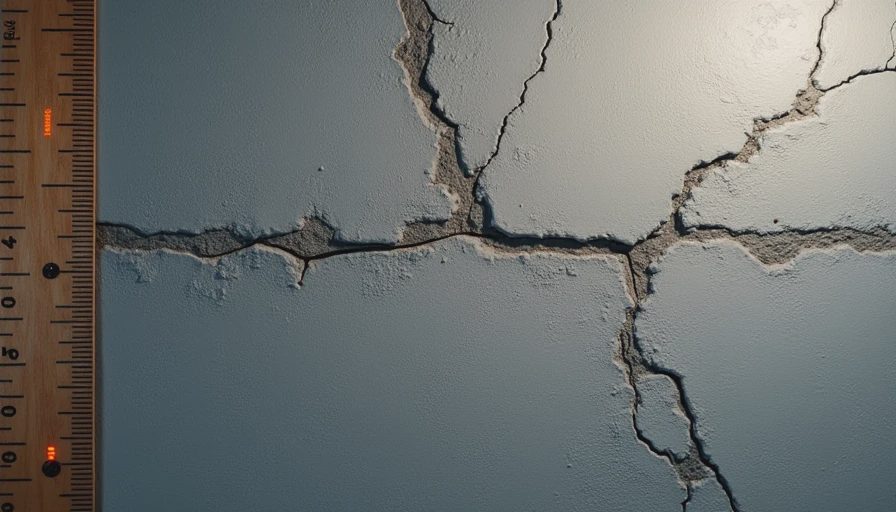
The Crack Panic Is Real — And Usually Unnecessary
I get the call at least twice a month: “Ben, there’s a crack in my basement wall and I’m freaking out!” Nine times out of ten, it’s nothing serious. But that one time out of ten? It can mean big trouble if ignored. After looking at foundations on over 300 projects, I’ve developed a pretty good eye for what matters.
Let’s cut through the fear-mongering and talk real talk about foundation cracks in typical Midwest homes.
The Four Cracks You Should Take Seriously
1. Horizontal Cracks
These are the ones that make me pay attention. A horizontal crack usually indicates lateral pressure from soil or water pushing against the wall. In block foundations, this often appears near the middle of the wall. In poured concrete, it might be lower.
If the crack is wider than 1/8 inch or accompanied by bowing, it’s time to call a structural engineer or experienced waterproofing contractor. I’ve seen homes where ignored horizontal cracks led to major wall failure years later.
2. Stair-Step Cracks in Block Foundations
These follow the mortar joints in a staircase pattern. Significant stair-step cracking (especially if widening over time) can signal settlement or pressure issues. Small ones are common and often stable, but monitor them.
3. Wide Vertical Cracks (1/4 inch or more)
A single wide vertical crack through a poured wall often indicates differential settlement — one part of the foundation sinking more than another. These need professional evaluation, especially if doors or windows are sticking upstairs.
4. Cracks with Active Water Leaks
Any crack that’s currently leaking water — even if small — needs immediate attention. Water is the real enemy. It can turn a cosmetic issue into a structural one surprisingly fast.
The Ten Cracks You Can Usually Ignore
These are the ones that make homeowners lose sleep but rarely cause real problems:
Hairline vertical cracks in poured concrete (very common during curing)
Small shrinkage cracks in new foundations (under 1/16 inch)
Minor diagonal cracks at window corners
Old patched cracks that haven’t moved in years
Cosmetic surface cracks in parging or paint
Tiny cracks near floor-wall joint from normal settling
Non-structural cracks in non-load bearing walls
Cracks that have been stable for 5+ years
Very fine spider-web cracking in older concrete
Settlement cracks under 1/8 inch with no other symptoms
I tell clients: “If it’s not moving, leaking, or causing structural symptoms, it’s probably just the house doing what houses do.”
How I Evaluate Cracks on Jobs
When I walk into a basement, here’s my quick checklist:
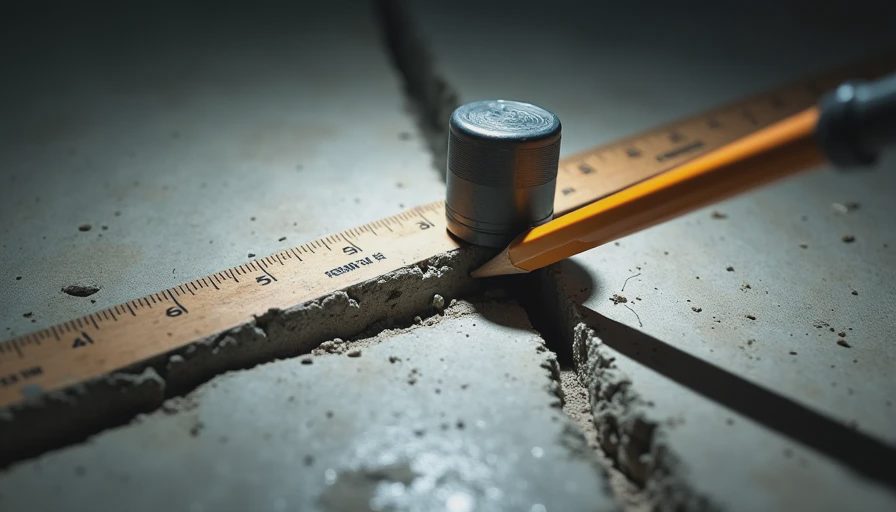
Measure the width — Anything over 1/4 inch gets more attention.
Check for movement — Use a crack monitor or just mark it with a pencil and date it.
Look for patterns — Multiple cracks telling the same story are more concerning than one random crack.
Check for water — Even small seepage changes the priority.
Consider the age of the home — A 50-year-old house with small cracks is very different from a 5-year-old house with the same cracks.
On my own 1998 home, I found several hairline cracks when I started the project. After monitoring them for three years, they haven’t moved. Just normal settling.
When to Worry vs. When to Watch
Call a Professional If:
Cracks are actively leaking
You see horizontal cracking or wall bowing
Cracks are widening over time
You have sticking doors/windows combined with cracks
There’s a musty smell or visible mold
Monitor Yourself If:
Hairline cracks with no movement
Old stable cracks
Minor cosmetic issues only
I recommend taking clear photos with a ruler for scale and dating them. A simple spreadsheet tracking crack width over time has saved many of my clients from unnecessary panic spending.
Prevention Is Better Than Repair
The best way to handle foundation cracks is to prevent water from making them worse:
Proper grading away from the foundation
Working gutters and downspouts
Good drainage systems (we’ll talk more about this in future posts)
Interior waterproofing solutions done right
On one memorable job, a homeowner had spent $12,000 on exterior excavation and waterproofing because of panic over hairline cracks. Six months later the cracks were still there — because they were shrinkage cracks, not structural. We added proper interior drainage and they’ve been dry and stable ever since. Much cheaper approach.
The Bottom Line
Foundation cracks are scary because they’re in the most important part of your house. But most of them are just the normal aging process of concrete. Learn to tell the difference, monitor the serious ones, and focus your money on keeping water away from your foundation rather than cosmetic repairs.
Your basement doesn’t need to be perfect. It needs to be dry and stable.
Because above grade is for the real estate photos.
Below grade is where you actually live.
And a few harmless cracks won’t change that — as long as you understand them.


No letters yet — be the first guest to write.