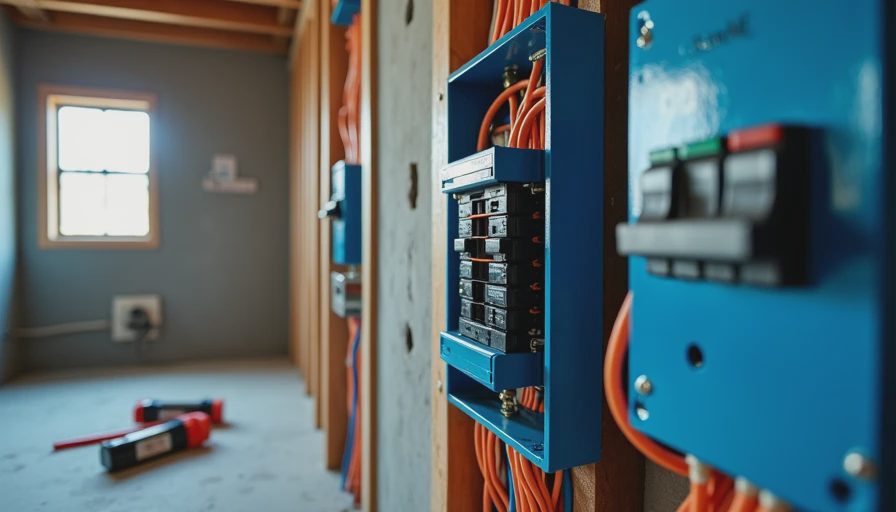
The Electrical Mistake That Bites Homeowners Years Later
I’ve seen it too many times. Homeowner finishes their basement on a budget, uses a bunch of 15-amp circuits because “it’s just a rec room,” and two years later they’re tripping breakers every time the kids plug in a TV, gaming console, and space heater at the same time. Or worse — dealing with warm outlets and potential fire hazards.
After roughing in electrical on hundreds of basement projects around Indianapolis, I can tell you this with confidence: your basement needs 20-amp circuits. Here’s exactly why.
Why Basements Are Different Electrically
Basements have unique demands:
Higher humidity and cooler temperatures affect wiring and connections
More likely to need GFCI protection (which has higher load characteristics)
Often host high-draw appliances and entertainment equipment
Future-proofing is critical because finishing a basement is a big investment
Building code recognizes this reality. The National Electrical Code (NEC) has specific requirements for basement circuits, and local amendments in Indiana often go further for safety.
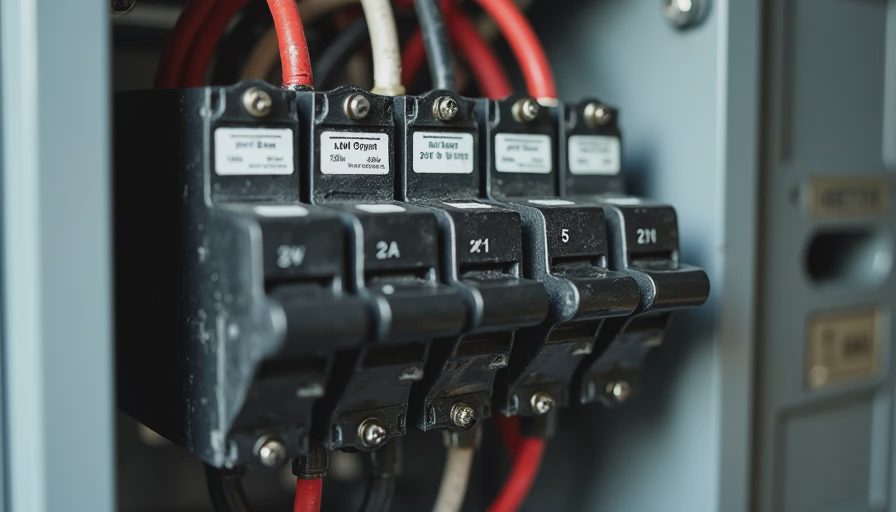
The Case for 20-Amp Circuits
Capacity for Modern Life
A 15-amp circuit is rated for 1,800 watts maximum (80% continuous load is 1,440 watts). That sounds like plenty until you add:
A 55-inch TV (200-400W)
Gaming PC (300-600W)
Sound system (100-200W)
LED lighting
Maybe a mini-fridge or dehumidifier
Suddenly you’re pushing limits. A 20-amp circuit gives you 2,400 watts max (1,920 continuous) — much more breathing room for today’s electronics-heavy lifestyle.
Safety Margin
Heat is the enemy of electrical systems. In a basement environment with potential moisture, that extra capacity reduces the chance of overloaded wires getting hot. I’ve replaced too many melted receptacles in older 15-amp circuits.
Code Compliance
Most jurisdictions now require 20-amp circuits for general purpose receptacles in basements, especially in finished spaces. Even if your inspector might pass 15-amp, going with 20-amp is the professional standard and protects you during resale or insurance claims.
Where to Use 20-Amp Circuits in Your Basement
Definitely:
All general purpose outlets
Entertainment areas (TV, gaming, theater)
Workshop or hobby spaces
Future bathroom or wet bar areas
Any circuit that might power a dehumidifier or sump pump backup
Maybe 15-Amp:
Dedicated lighting circuits (if loads are truly light)
Specific single-purpose low-draw circuits
On my own basement project, I wired every single receptacle circuit as 20-amp. No regrets. Even with just basic family use so far, the system handles everything smoothly.
Practical Wiring Tips from the Field
Wire Size
Use 12-gauge wire for all 20-amp circuits. Don’t cheap out with 14-gauge. The difference in cost is minimal but the safety and performance gains are significant.
Outlet Spacing
Code requires outlets every 6 feet in most areas and within 6 feet of any wall break. In a basement, I often recommend closer spacing — every 4-6 feet — because you never know what furniture layout people will want later.
GFCI Protection
Every basement outlet needs GFCI protection, either at the breaker or at the first outlet. I prefer GFCI breakers for whole-circuit protection when possible — cleaner installation and fewer nuisance trips.
Lighting
Separate lighting circuits from receptacle circuits. This way, if you trip a breaker with your tools or vacuum, you still have lights to work by.
Common Electrical Regrets I See
Running too few circuits and overloading them
Using cheap receptacles that don’t handle 20 amps well
Skipping proper grounding
Not planning for future smart home devices
Trying to save money by daisy-chaining too many outlets
One particularly painful callback involved a finished basement where the homeowner had used 15-amp circuits for the entire space. When they added a home theater, everything became unreliable. We had to open walls again. Expensive lesson.
The Bottom Line
Don’t skimp on your basement electrical. 20-amp circuits throughout the finished areas are the smart, safe, code-friendly choice that will serve your family for decades.
Spend the extra money now on proper wiring. You’ll thank yourself every time you plug something in without worrying about tripped breakers or warm outlets.
Because above grade is for the real estate photos.
Below grade is where you actually live.
Make sure the power down there is as reliable as the rest of your home.
No letters yet — be the first guest to write.