
A crawl space inspection should answer three questions: Is water getting in, is the framing sound, and is anything down there unsafe? Start outside, then look through the access opening with a flashlight before deciding whether to enter. You can spot plenty without crawling under the house. Standing water, a gas smell, damaged wiring, or an animal you can't identify are reasons to stay out and get the right professional involved.
Start outside, before opening the hatch
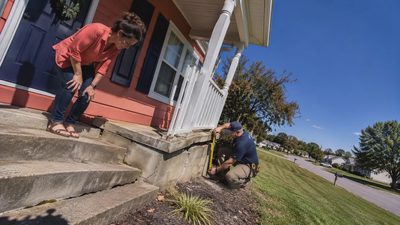
Walk the foundation after a rain if you can do it safely. Look for downspouts dumping beside the house, soil sloping toward the wall, and low spots where water sits. Note cracked or disconnected downspout extensions. A gutter problem is cheaper to address than a crawl space full of wet insulation, and it may be the source of the trouble.
Check foundation walls for stair-step cracks, horizontal cracks, bulges, or sections that have shifted out of plane. Photograph anything suspicious with a ruler beside it. A thin crack is not automatically a structural emergency, but width alone doesn't tell you whether a wall is moving. A horizontal crack with bowing, a displaced wall, or a floor that has suddenly dropped deserves prompt attention from a structural engineer.
Look at the access door and any vents, too. A hatch that doesn't close invites water and pests. Don't seal vents just because you found them; whether a crawl space should be vented or conditioned depends on the climate, construction, moisture plan, and local code.
Make the crawl space inspection a safe one
Open the hatch and look and listen before putting any part of your body inside. A flashlight and phone camera can show you water, fallen insulation, animal activity, and obvious damage from the opening. Don't go in alone; tell someone where you'll be and keep your phone accessible.

Skip entry if you smell gas, see standing water near electrical equipment, spot exposed wiring, or suspect sewage contamination. Leave the area if you smell gas, avoid operating switches, and contact the gas utility or emergency services from a safe location. A tight or poorly ventilated crawl space can also have dangerous air; a dust mask does not supply oxygen or protect against gas. If the space looks unsafe or you can't move and exit easily, hire an inspector equipped for the conditions.
For a dry, accessible space without obvious hazards, wear eye protection, gloves, long sleeves, and sturdy footwear. A properly fitted N95 can reduce inhalation of dust and some particles, but it isn't a license to disturb suspect insulation, heavy mold growth, or animal droppings. If old insulation or pipe wrap could contain asbestos, leave it alone and arrange for qualified assessment.
Follow the water and check the wood
During a crawl space inspection, work from the perimeter inward, if you can do so safely. Look at the ground, the inside face of the foundation, and the underside of the floor. Damp soil, muddy tracks, staining on masonry, and a white, powdery mineral deposit called efflorescence can all point to moisture. A stain tells you where water has been, not necessarily where it entered or whether the leak is active.
Pay particular attention below bathrooms, kitchens, exterior doors, and hose connections. Check visible supply and drain lines for drips, corrosion, and staining. If conditions are safe, have someone run water upstairs while you watch accessible drain connections. Don't touch electrical equipment or reach into standing water to investigate a leak.
Inspect joists, beams, and the sill where framing rests on the foundation. Probe questionable wood gently with a screwdriver in an inconspicuous spot: sound wood should resist; soft, crumbling wood needs a closer look. Don't start digging into structural members. Dark staining alone doesn't prove rot, and a surface that looks dry today may have been wet for years. A moisture meter can help compare suspect wood with nearby dry-looking wood, but readings need context and the right settings.
Look for shelter tubes on masonry and damaged wood near the ground. Those can be signs of termites, but identifying the pest and determining whether activity is current takes a qualified inspection. Don't cover damage with insulation until you know what caused it and whether the framing needs repair.

Check the ground cover, insulation, and mechanicals
A crawl space inspection isn't complete without looking at how the floor and ground are separated. If there's a plastic ground cover, check for exposed soil, gaps, tears, and edges that let soil moisture escape into the space. A sheet laid over pooled water isn't a drainage system. Fix the water source and manage drainage before paying for a new liner or encapsulation.
Sagging fiberglass between joists can indicate moisture, missing supports, or both. Look for wet or compressed sections and gaps around the rim joist, where the floor framing meets the outside wall. The right insulation location and vapor-control approach depend on whether the crawl space is vented or conditioned and on your climate. Don't add plastic over damp framing or assume the same assembly works everywhere; check local code and solve the moisture issue first.
Look at ducts for loose connections, damaged insulation, and sections resting on damp ground. Note plumbing leaks and unsupported pipes. Electrical cables should not be dangling in water or visibly damaged. Leave wiring repairs to a licensed electrician, and have a qualified HVAC contractor assess combustion appliances, venting, or ductwork that looks compromised.
Record findings and choose the next call
After the crawl space inspection, write down the location of each problem and photograph it from both close up and far enough back to show its position. Include the date and whether it had rained recently. Recheck a marked stain after the next substantial rain, from a safe location, to help distinguish an ongoing water entry problem from old damage.
Call a plumber for an active pipe leak, a pest professional for suspected infestation, and a structural engineer for significant movement, damaged beams, or questionable supports. For a home purchase, ask the inspector what areas were inaccessible and whether a specialist should follow up before contingencies expire. A general inspection is a snapshot, not a guarantee that concealed framing is sound.
My order is simple: make hazards safe, stop the water, assess damaged wood, then decide on insulation or a ground cover. Don't buy the expensive encapsulation package first and hope it fixes a broken drain or a bowed wall. Those problems need their own repairs.


No letters yet — be the first guest to write.