If you're asking do i need underlayment for vinyl flooring on concrete, the short answer is usually no. Most vinyl plank and vinyl tile products are built to go straight over a clean, flat slab as long as the manufacturer says that install method is approved. The bigger question is not padding. It is whether your concrete is dry enough, flat enough, and smooth enough that the floor can lock or bond the way it was designed to.
On a basement slab, I spend more time looking for dips, paint, old adhesive, and moisture than I do shopping for extra foam. Underlayment can help in the right situation, but it can also make a floor too soft, raise the finished height, or void the warranty if the product is not compatible. Above grade is for the real estate photos. Below grade is where you actually live.
Do i need underlayment for vinyl flooring on concrete?
If you have glue-down vinyl, the answer is almost always no. Glue-down wants direct contact with the slab, full stop. Any cushion between the adhesive and the concrete weakens the bond. With floating click vinyl, the answer depends on the flooring line. Some products come with an attached pad and do not want anything else underneath. Others allow a thin underlayment for sound control or minor feel, but only if it is the exact type the maker approves.
That is where people get into trouble. They buy a thick foam roll because it seems nicer underfoot, then the joints start moving or the click system gets stressed. On a concrete slab, you do not want a floor that feels like a trampoline. You want support. You want the slab to do its job.
A small amount of extra material can cost $0.25 to $1.50 per square foot, but a bad layer can cost a lot more when seams fail or the install has to come back up. I have seen a 400-square-foot basement floor get torn out because the installer put cushy pad under a rigid core product that was never meant for it.
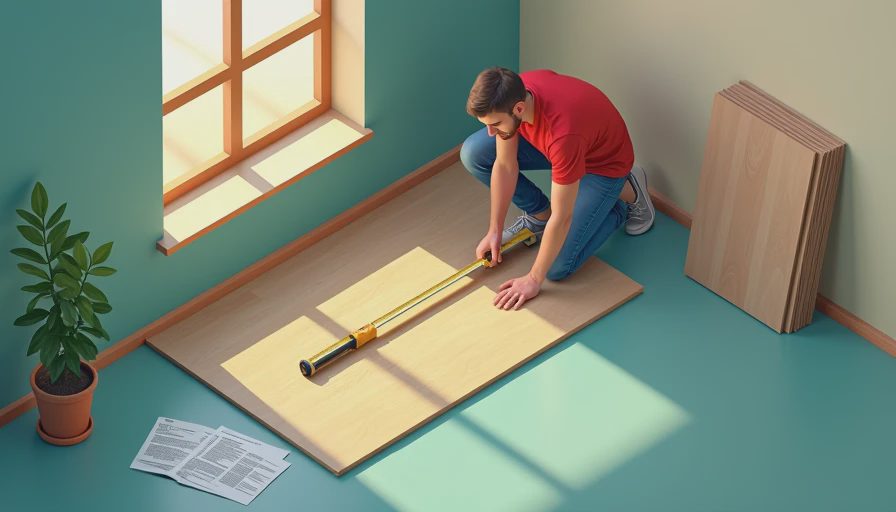
What matters more than pad: moisture and flatness
Concrete does not have to be perfect, but it does have to be predictable. If the slab has hairline cracks, that is usually normal. If it has birdbaths, raised seams, old paint, or a dusty weak surface, the vinyl will telegraph every bad spot. A good rule of thumb is to check the floor with a 6-foot or 10-foot straightedge and look for the manufacturer’s flatness requirement. Many vinyl products want no more than 3/16 inch of variation over 10 feet.
Moisture is the other big one. A taped-down plastic sheet is not a real test, but it can show obvious sweating if the slab is wet. Better products and better jobs use the test method the floor maker asks for, which often means a moisture reading or a documented slab condition. If the concrete is actively damp, no amount of foam underlayment fixes that. You need to deal with the source first.
If the slab is rough, fill low spots with a patch or self-leveling compound rather than trying to hide them with underlayment. A 50-pound bag of patch or leveler might run $25 to $45, and that money is better spent than buying a soft layer that only masks the problem.
When a thin layer makes sense
There are a few cases where a thin underlayment can earn its keep. A floating vinyl floor over a dry slab in an upstairs room may benefit from a manufacturer-approved acoustic pad, especially if the product has no attached backing. A thin vapor-control layer can also be part of the system when the flooring line specifically asks for it. That is not the same thing as throwing down whatever foam was on sale.
If the floor is over a basement slab, warmth is usually the reason homeowners ask about extra layers. The truth is that concrete will always feel cooler than wood subfloor. A thin approved pad can soften the feel a little, but it will not turn the basement into carpet. If comfort is the goal, focus first on keeping the slab dry and the room insulated correctly. Then choose the vinyl style and backing that fit the room.
The best installs I see are boring in the right way. The slab is patched, vacuumed, tested, and left alone. The floor goes down flat, and nobody is chasing mysterious squeaks six months later.
The install mistakes I see all the time
The first mistake is stacking layers because they seem harmless. Vinyl floor over foam over plastic over concrete can create a squishy setup that feels cheap and wears out fast. The second mistake is ignoring old adhesive or paint. If you are putting down glue-down vinyl, that old junk has to be scraped or ground off until the slab can actually hold the new adhesive.
The third mistake is assuming every product is the same. Luxury vinyl plank, rigid core, and sheet vinyl all have different requirements. One line may allow a 1 mm pad, another may forbid any separate pad, and a third may need nothing at all because the attached backing already does the job. If you are comparing products in the store, ask for the installation sheet before you ask about color.
Here is the part people miss: do i need underlayment for vinyl flooring on concrete is the wrong question if the slab is not ready. A dry, flat slab with the right prep beats a fancy cushion every time. If you spend money anywhere, spend it on leveling compound, patch, primer, and a moisture test before you buy extra padding.
Bottom line before you buy
If the concrete is dry, flat, and within the flooring maker’s limits, skip the extra underlayment unless the install instructions clearly call for it. If the slab needs sound control, warmth, or a small moisture layer, use only a product that is approved for that exact vinyl floor. Do not guess, and do not assume thicker is better.
That is the straight answer I give homeowners on basement jobs and slab remodels alike. Clean the slab, fix the lows, respect the moisture, and follow the spec sheet. If you do that, the floor goes down easier and lasts longer. If you do not, you will be pulling up planks and buying material twice. Do I need underlayment for vinyl flooring on concrete? Usually not. Do the slab prep first, then decide whether the floor actually needs one.



No letters yet — be the first guest to write.