Temporary event flooring sounds simple until you put 200 people on a lawn that looked level from the driveway and turns into a slop field once the first tray of cocktails starts moving. I’ve seen a clean-looking setup turn into a wobble trap because somebody assumed grass, gravel, or old concrete was “close enough.” It never is. If you want guests walking in heels, carts rolling without drama, and a dance floor that does not bounce like a trampoline, you need to think about temporary event flooring the same way a builder thinks about a subfloor: first the base, then the finish.
For weddings, pop-up markets, graduation parties, and small corporate events, the floor is not decoration. It is load distribution, trip prevention, and weather insurance rolled into one. The pretty surface matters, but only after the structure underneath can handle chairs, coolers, buffet lines, and a server pushing a heavy cart through a narrow aisle.
Where temporary event flooring actually earns its keep
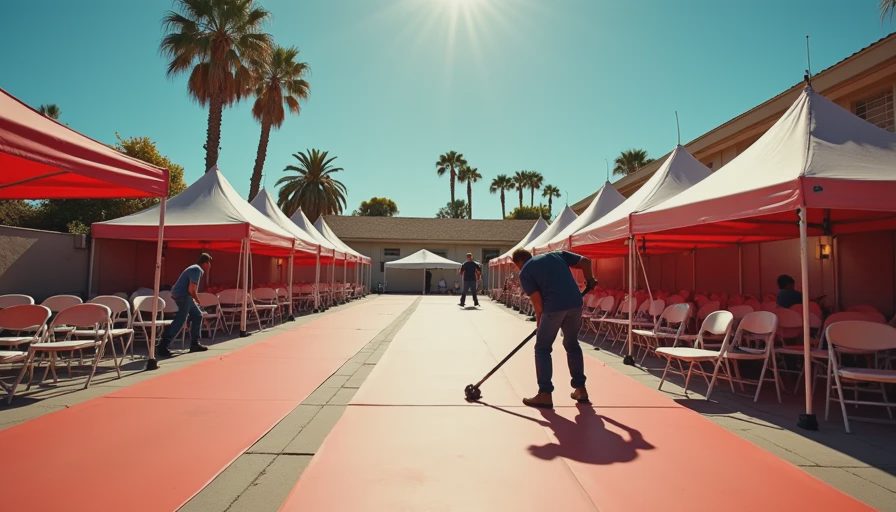
The best use cases are the places people usually try to cheat. Grass after a rain, compacted gravel with washboard ruts, a patio that dips near the edge, or a warehouse slab that has hairline cracks and a little moisture coming through. Temporary event flooring bridges those problems. It gives you a flatter walking surface, helps keep chair legs from sinking, and makes it easier for vendors to set up without feeling like they are working in a parking lot.
If the event includes a tent, think about what is moving across that floor all day. Tables, bar backs, ice bins, and catering carts add up fast. A flimsy panel that feels fine under a single person can flex badly when a loaded cart hits the seam. For light foot traffic, thinner systems can work. For anything with equipment, I want a system that feels solid underfoot and stays that way when the temperature changes.
The other thing people forget is access. If you have guests with strollers, walkers, wheelchairs, or rolling coolers, the floor needs to transition cleanly at the edges. A decent setup includes ramps or tapered borders so nobody catches a toe on the way in. That detail costs a little more, but it beats apologizing all night because somebody tripped at the entrance.
The materials that make temporary event flooring behave
The cheapest option is usually plywood, and sometimes that is the right answer. It works best on a reasonably stable base, like compacted gravel or a dry yard that has already been graded. But raw plywood has limits. It can telegraph every hump underneath it, it hates standing water, and the edges get ugly fast if the event runs long or the weather turns.
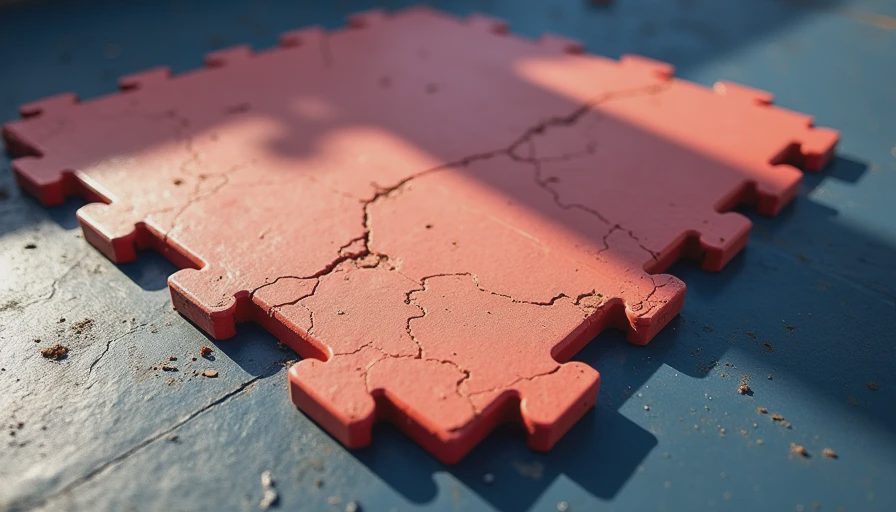
Modular interlocking tiles are cleaner and faster. The good ones snap together tightly, spread weight well, and come apart without a fight. I like them for patios, garages, and indoor spaces where you need a temporary surface that looks neat and does not leave adhesive behind. They cost more than basic sheets of plywood, but they save labor and usually look better for a guest-facing event.
Raised panel systems are the heavy hitters. These are the setups you use when the site is soft, slightly wet, or too uneven to trust. They cost more because they solve more problems. You are paying for structure, not just a pretty top layer. If someone tells you they can cover a muddy yard with a bargain floor and make it feel like a ballroom, they are either guessing or selling.
For trade-show style indoor events, a simple surface over clean concrete is often enough. For outdoor dining on turf, I prefer a system that keeps the finish out of direct contact with wet ground. Rubber underlayment, carpet tiles, and vinyl top layers all have their place, but none of them fix a bad base by themselves.
What the budget looks like before you call the rental house
Small events can stay reasonable if the site is friendly. A backyard floor under 500 square feet might land in the low four figures once you add delivery, setup, and pickup. Once the ground needs leveling, edge ramps, or a more rigid system, the price climbs fast. That is normal. You are paying for labor, hauling, and the fact that somebody has to make the site look flat before the first guest arrives.
For a wedding or party, the big cost drivers are square footage, distance from the truck drop, and how much hand work is involved. If the crew can roll material straight in, you save money. If they have to carry panels across a side yard, around landscaping, and through a narrow gate, the quote will show it. That is not greed; that is time.
Buying instead of renting makes sense only if you use the same system over and over. A one-time graduation party does not justify a pile of panels in your garage. But if you run recurring events at the same property, reusable tiles can pencil out after a few uses. The trick is being honest about storage, cleaning, and who is going to haul the stuff when the party is over.
Installation details that separate a clean floor from a wobble trap
Start with the base. Rake off rocks, fill low spots, and knock down high spots before anything goes down. If the ground is soft, put down a separation layer so the floor does not disappear into the soil. On gravel, compact it first if you can. On concrete, sweep it clean and check for standing water or slick spots. If the slab is damp enough to darken cardboard in a few minutes, I would not lay a finish that traps moisture without a plan.
Seams matter more than people think. A good installation keeps panel joints tight and avoids little lips that catch shoes and wheels. Where the floor meets a hard surface, use a proper transition strip or ramp. If the event includes a dance floor, do not place it where a seam or soft patch will make the center feel loose. That is how you get the bounce everybody talks about for the wrong reasons.
Weather is the wild card. If rain is coming and the site is outdoors, build with the exit plan in mind. Leave room for drainage, keep the perimeter from damming water, and do not block the only path where a crew can pull material back out if the forecast changes. I watched one graduation party floor settle two inches because the crew skipped base prep on a wet lawn. Nobody forgot that one, especially the guests carrying drinks.
Common mistakes I see when people try to save a few hundred bucks
The first mistake is assuming any flat-looking surface is truly flat. The second is using an indoor-only product outside because the color matched the tent. The third is ignoring the load of the heaviest thing on site, which is usually not the people but the coolers, serving tables, and portable bars. If the floor can handle footsteps but not a fully loaded cart, you bought the wrong system.
Another bad move is skipping edge treatment. A floor with no ramp or border is a trip waiting to happen, especially after dark. I also see people lay material over wet grass and hope the sun fixes it. Sometimes it does. More often it turns the underside into a mess and leaves you with a floor that shifts every time someone crosses it.
How to choose the right setup without overpaying
If the site is already hard and clean, keep it simple and spend your money on a neat surface and good transitions. If the ground is soft, uneven, or likely to get wet, pay for the system that solves the base problem first. That is where the value is. Pretty tops are nice, but stable underfoot is what guests remember.
For most event planners, the safest move is a floor that is a little more rugged than you think you need and a little less fancy than the rental catalog wants to sell you. Ask how it handles moisture, what the load rating is, whether ramps are included, and how long setup really takes. If the answer is vague, keep shopping.
Temporary event flooring is worth doing right when people are paying to be comfortable, safe, and off the ground. Get the base right, pick a finish that matches the site, and do not let a small savings on paper turn into a headache at the door. Do that, and the floor disappears the way good event work should. Temporary event flooring is there to support the event, not become the event.


No letters yet — be the first guest to write.