If you are staring at bare concrete and trying to decide whether thermaldry elite plank flooring is worth the money, start with the slab, not the sales pitch. In a basement, the floor has to do three jobs at once: stay comfortable, handle moisture, and not turn into a science experiment two winters from now. That is why I look at basement flooring differently than I do a kitchen or family room upstairs. Above grade is for the real estate photos. Below grade is where you actually live.
What thermaldry elite plank flooring solves in a basement
The first problem in most basements is not style. It is cold concrete, hard edges, and a room that feels unfinished even after the walls are painted. A floor system like thermaldry elite plank flooring is trying to solve that by giving you a warmer walking surface and a more finished look without needing a full wood subfloor or a pile of carpet pad. For a rec room, home office, or kids’ play area, that matters more than people admit when they are shopping online.
The second job is moisture management. A basement floor should not trap water against the slab or act like a sponge. That is why I like products that sit on a dry, flat slab and create a little separation from the concrete. You are not waterproofing the basement with flooring, but you are buying yourself a better surface than bare slab or bargain carpet. If the basement has already been sealed up, conditioned, and kept dry with a dehumidifier, that is the kind of setup where a finished floor can make sense.
What it does not solve is active water intrusion. If you have liquid water at the perimeter, efflorescence on the walls, a sump that runs all spring, or cracks that stay damp after a rain, stop there. Fix the drainage first. I have seen homeowners spend good money on a pretty floor only to watch it get pulled back up because a downspout dumped water next to the foundation all summer. That is an expensive lesson, and it is usually a preventable one.
Where it earns its keep and where it does not
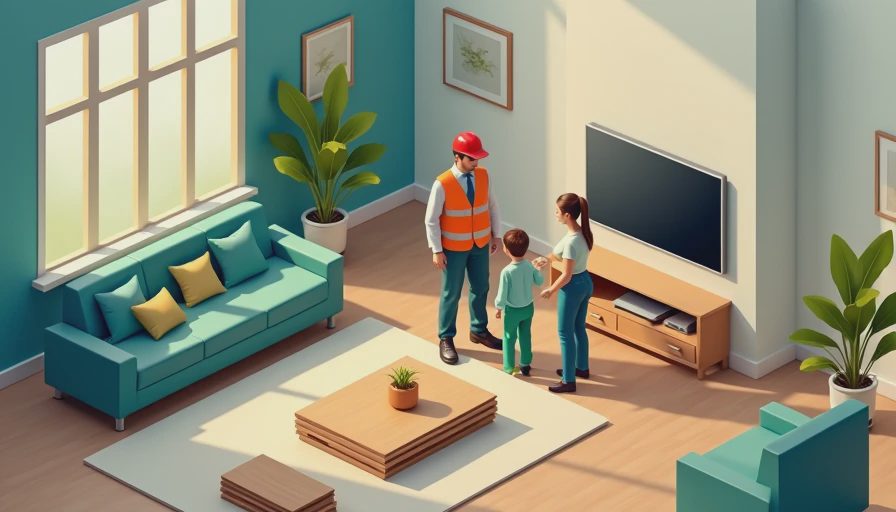
A basement floor like this makes the most sense in a space that is already dry enough to finish. Think media room, guest room, workout room, or a den where you want something softer and warmer than tile. If you have kids, the first thing you notice is that dropped toys do not sound like gunshots on concrete anymore. If you have pets, a surface that wipes clean matters more than a lot of fancy flooring jargon. In those cases, the floor is doing real work instead of just looking nice in a listing photo.
The number that matters is not the sticker price alone. It is the total installed cost after slab prep, trim, transitions, and labor. In a real basement, that can run anywhere from about $8 to $18 per square foot depending on how much work the slab needs and who is doing the install. If the floor is going over a slab that has cracks, paint, or old adhesive to deal with, the prep can cost as much as the material. That is why the cheapest square-foot number in the showroom is rarely the real number.
I also do not love this kind of flooring in every basement. If your lower level is just a storage area, utility room, or laundry space that sees wet shoes and utility leaks, a simpler surface usually makes more sense. A vinyl floor, sealed concrete, or even a utility carpet tile can be the smarter spend there. The right floor is the one that matches the room’s job, not the one with the nicest brochure.
Installation details that matter more than the brochure
The slab has to be flat enough, and that point gets skipped all the time. A floating basement floor does not like humps, ridges, or a slab that drops off around old patch work. You do not need museum-level perfection, but you do need something close to flat so the planks lock correctly and do not squeak or separate. If a straightedge shows obvious dips, fix those before the flooring goes down. A little patching and grinding up front is cheap compared with tearing out a finished room later.
Moisture testing matters too. I am not talking about a dramatic science experiment, just basic common sense. If the slab feels damp, the room smells musty, or you see white powdery deposits at the wall line, you need to slow down. Finish carpentry hides problems; it does not cure them. Leave proper expansion space, keep the perimeter details clean, and do not pinch the floor under heavy cabinets or built-ins unless the system is designed for that load. If the install instructions call for a specific underlayment or edge detail, follow it. That is where a lot of warranty fights start.
Cost, comparison, and the floors I would put against it
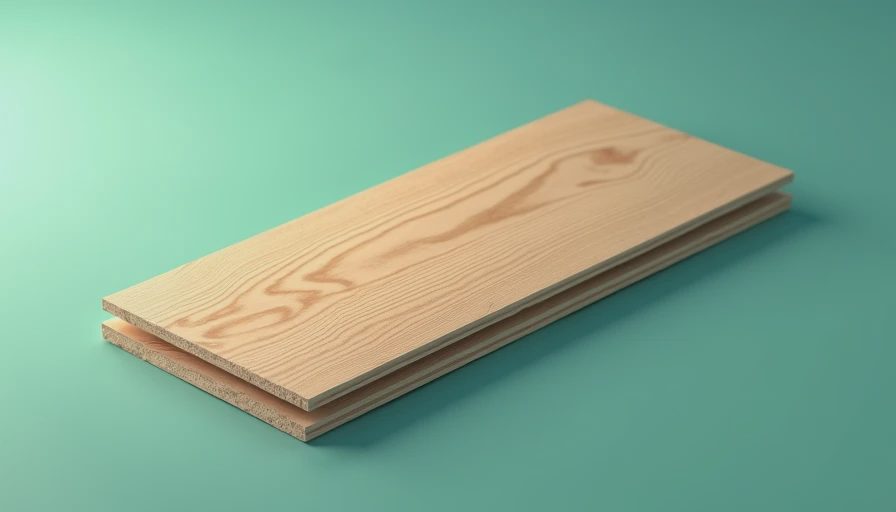
If I am comparing this to other basement finishes, the tradeoffs are pretty straightforward. Carpet feels soft, but it can hold odor and moisture if the basement ever gets damp. Luxury vinyl plank handles spills well and gives you lots of design choices, but it can feel colder underfoot unless the room is conditioned well. Ceramic tile is durable and water friendly, but it is harder, colder, and usually costs more once you add a proper underlayment and labor. Engineered wood looks great, but basements are a rough place for wood products if humidity swings around.
That is why thermaldry elite plank flooring lands in a useful middle ground for the right basement. It gives you a more finished look than concrete and more comfort than tile, without asking the slab to be perfect in the way hardwood would. For a homeowner trying to turn a dry unfinished basement into real usable space, that matters. For a homeowner chasing a luxury finish in a basement that still has moisture problems, it is the wrong first move.
Bottom line for a basement finish
My rule is simple. If the basement is dry, the slab is sound, and you want a warmer, more finished floor without jumping straight to carpet or tile, thermaldry elite plank flooring is a reasonable choice. If water is still coming in, spend the money on drainage, dehumidification, and crack repair first. Do that in the right order and you buy yourself a room that stays useful. Do it backward and you buy yourself a tear-out. Above grade is for the real estate photos. Below grade is where you actually live.

No letters yet — be the first guest to write.