If you've got a finished basement with a water problem, you're in a tough spot. The ideal fix – a perimeter drain system cut into the slab – means tearing out flooring, damaging walls, and a serious remodel. That's where above floor basement drainage systems come in. They sit on top of the concrete, channeling water to a sump pump or daylight exit without breaking the slab. I've installed these on a dozen jobs where the owner couldn't afford to rip out a finished basement. They're not a perfect solution, but they work.
How Above Floor Drainage Systems Work
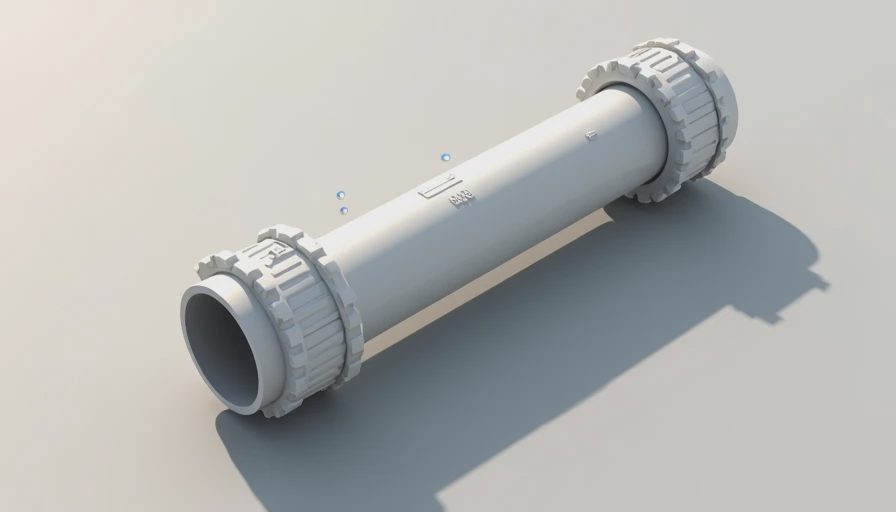
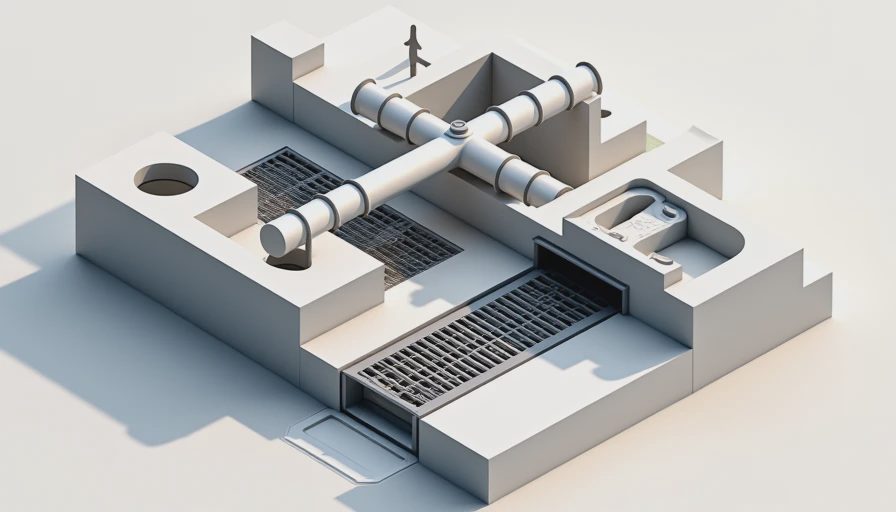
These systems use a network of surface channels – usually PVC or reinforced plastic – that sit flush with the finished floor. Water enters through a slotted top and flows to a collection point, typically a sump pit. The channels are sloped about 1/8 inch per foot to keep water moving. You'll see two main types: linear drains (a single long channel along the wall) and modular panel systems that cover larger areas. The key is getting the slope right – too flat and water sits, too steep and you lose headroom. On a recent job in a 1950s ranch, we used a 2-inch thick channel that added less than 3/4 inch to the floor height once the tile was set. The homeowner kept their existing base cabinets and just trimmed the toe kicks.
Pros and Cons of Going Above the Slab
The big advantage is obvious: you don't demolish a finished basement. That saves thousands in re-drywalling, repainting, and re-flooring. On the downside, above floor drainage systems can add up to 2 inches to your floor height, which means transitions at doors and steps. They're also more visible – you'll see a metal grate or channel along the base of the wall. In my experience, homeowners either don't mind the look or cover it with a removable baseboard. Another catch: these systems only handle surface water and minor seepage. If you've got hydrostatic pressure pushing water through the slab, an above-floor system won't fix it. That needs exterior waterproofing or a proper below-slab drain.
Installation and Costs
Installing above floor basement drainage systems is a weekend job for a decent DIYer, but I'd budget $800 to $2,500 in materials depending on basement size. A typical 1,000-square-foot basement needs about 80 linear feet of channel. You'll also need a sump pump if you don't have one – figure $150 for a good pedestal pump. The process: lay out the channels along the perimeter or in problem areas, cut to length with a miter saw, glue connections, and slope toward the sump. Then pour a thin layer of self-leveling concrete or mortar to secure them, and finish with tile or vinyl flooring. On my own basement, I used a product called Draincrete – about $12 per foot. It took a full Saturday to install, and I haven't seen a drop of water since.
Are These Systems Right for Your Basement?
Above floor basement drainage systems are a solid temporary fix or a permanent solution for certain conditions. They work best when you have occasional water from heavy rain, a high water table that causes minor seepage, or a crack that leaks only after snowmelt. They're not for ongoing groundwater pressure. Also consider the floor finish – if you plan to install carpet, you'll need to build up the subfloor to match the channel height. For tile or luxury vinyl plank, the transition is easier. I've used these systems in basements where the owner wanted to sell the house in a year – it gave them a dry basement without a full renovation. If you're planning to stay put and have serious water issues, save for the real thing: a below-slab perimeter drain. But if you need a dry floor without tearing everything apart, an above-floor system is a practical, cost-effective choice.
Common Questions About Surface Drainage
Can I install an above floor system over existing tile? Yes, you can install the channels directly over tile or vinyl flooring. The key is to ensure the surface is clean and level. You'll need to cut a channel in the flooring to recess the drain slightly, then mortar it in place. If the tile is uneven, consider a thin layer of self-leveling compound first.
How do I clean the channels? Most above floor drainage systems have removable grates. Lift them out and vacuum or flush with a hose once a year. For buildup, use a mild detergent and a brush. Avoid harsh chemicals that could damage PVC.
Will an above floor system prevent mold? It helps by removing standing water quickly, but mold prevention also requires controlling humidity. Pair the drain with a dehumidifier and proper ventilation. The system itself shouldn't harbor mold if kept clean.
Can I combine it with a dehumidifier? Absolutely. In fact, a dehumidifier is a smart addition, especially if your basement has high humidity. The drainage system handles visible water, while the dehumidifier addresses moisture in the air. Together, they keep your basement much drier.
How long does installation take? For a typical basement, a DIY installation takes a weekend. The first day is layout and cutting channels, the second day is securing them and finishing the floor. Professional installation can be done in a day.
Before you buy anything, test your water problem. Set up a dehumidifier for a week and watch where moisture appears. Then decide if surface drainage is enough. I've seen too many homeowners spend $2,000 on a system that didn't fix their real issue – a broken downspout or poor grading. Fix those first, then consider above floor basement drainage systems as a second line of defense.



No letters yet — be the first guest to write.