Vinyl and cork flooring are both popular basement choices, but they solve different problems. Vinyl handles moisture and abuse better. Cork feels warmer and softer underfoot. The right answer depends less on the color you like and more on your concrete slab, humidity, and how the room will be used.
I have installed both, and I have also removed both after homeowners skipped the boring preparation work. Flooring does not fix a damp basement. It only hides the evidence until the adhesive fails, the seams swell, or a musty smell tells you there is trouble underneath.
Start With the Basement, Not the Flooring Sample
Before comparing products, tape a square of clear plastic to the concrete slab. Seal all four edges with duct tape and leave it for at least 48 hours. If you see condensation under the plastic or the concrete darkens, stop and investigate moisture before installing anything. A dehumidifier, gutter repair, sump pump service, or exterior grading correction is money better spent than a new floor.
The slab should also be reasonably flat. Most flooring manufacturers call for variations no greater than about 3/16 inch over 10 feet, though the exact requirement depends on the product. Grind high spots and use a compatible patching compound for low areas. Do not assume underlayment will smooth out a roller-coaster slab. It will not.
Keep basement humidity near 30% to 50% with a properly sized dehumidifier. I prefer checking humidity with an inexpensive digital meter rather than guessing by smell. If the room stays above 60% for long stretches, even a water-resistant floor is being asked to work in a bad environment.
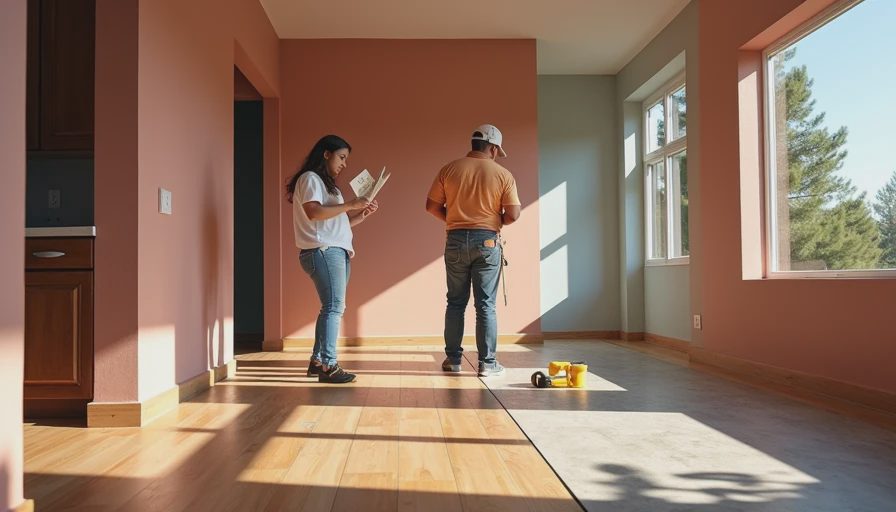
Why Vinyl Is Usually the Safer Basement Choice
Luxury vinyl plank and luxury vinyl tile are practical because the material itself is not damaged by ordinary basement moisture. Many products are sold as waterproof, but that label does not mean water can never reach the slab. Water can still travel through perimeter gaps, joints, or a failed plumbing connection and sit beneath the floor. Waterproof planks protect the flooring better than they protect the basement.
For most rec rooms, vinyl is the easier recommendation. It costs roughly $2 to $6 per square foot for many midrange products, with installation adding another $2 to $5 depending on prep and layout. A click-lock floating floor can be installed without gluing every plank to the slab. That makes future repairs simpler: remove the baseboard, disassemble rows, and replace damaged pieces.
Choose a product with a substantial wear layer, especially if the basement will be a playroom or home gym. A 12-mil wear layer is a reasonable starting point for light residential use; 20 mil gives better protection against chairs, toys, and active traffic. Avoid placing rubber-backed mats directly on some vinyl products because the backing can discolor the finish. Use mats approved for resilient flooring instead.
Where Cork Makes Sense
Cork is more comfortable than vinyl when you are standing at a workbench, sitting on the floor with children, or walking barefoot on a winter morning. It also dampens sound better than hard surfaces. In a basement bedroom, office, or quiet reading room, that softer feel can be worth paying for.
The catch is water. Cork is naturally porous, and finished cork flooring still depends on sealed joints and a dry installation environment. A small plumbing leak caught quickly may be manageable. Repeated dampness, slab vapor, or standing water is a different story. Cork can swell, curl, stain, or develop an odor that is difficult to remove.
If you choose cork, use a product specifically approved for below-grade installation and follow its vapor-control requirements exactly. Some cork floors are glued down, while others use a floating locking system. Do not mix instructions from one brand with underlayment from another. The manufacturer’s required moisture test and adhesive system matter more than a random online installation video.

Vinyl and Cork Flooring Compared by Real Basement Conditions
For a basement with occasional dampness risk, vinyl gets the advantage. It is also the better choice under a wet bar, near a bathroom, or in a laundry area where a washing machine hose can fail. Neither flooring should be installed before plumbing leaks are corrected, but vinyl gives you more forgiveness if a small accident happens.
For comfort, cork wins. It is warmer to the touch and less tiring during long periods of standing. Vinyl can feel cold over concrete unless you use an approved underlayment, but thick padding is not always allowed under rigid-core products. Follow the flooring specifications instead of adding carpet padding because the floor feels hard.
For repairability, floating vinyl is usually easiest. For sound control, cork has the natural advantage, although a quality underlayment beneath vinyl can reduce footfall noise. For resale, a clean, durable floor in a properly finished basement matters more than whether the material is fashionable this year.
Installation Details That Prevent Expensive Failures
Bring boxed flooring into the basement and acclimate it according to the manufacturer’s instructions, commonly between 48 hours and several days. Keep the room at normal living temperature. Do not install over a slab that was poured recently without confirming it has dried sufficiently.
Leave the required expansion gap around walls, columns, pipes, and stairs. A gap hidden by baseboard is not a mistake; a floor buckling in the middle of the room is. Use a jamb saw or oscillating tool to undercut door trim so the flooring can slide underneath cleanly. Do not nail baseboard through a floating floor, because that can lock the floor in place and cause ridges.
For cork, seal cut edges and seams as directed by the manufacturer. For vinyl, stagger end joints according to the product instructions and avoid tiny slivers at walls. A layout that begins with a full plank but ends with a two-inch strip looks careless and can be weak. Dry-lay two or three rows first and adjust the starting line.
My Bottom-Line Recommendation
Vinyl and cork flooring can both work below grade, but they do not have the same margin for error. In a typical older-home basement, I would install quality floating vinyl after solving moisture issues, flattening the slab, and controlling humidity. It is durable, easier to repair, and less stressful around children, pets, laundry equipment, and the occasional forgotten mop bucket.
I would choose cork only for a demonstrably dry basement where comfort and sound reduction are more important than maximum water tolerance. Spend money on slab preparation before upgrading the surface finish. A $4-per-square-foot floor over a sound slab will outlast a $9-per-square-foot floor installed over damp, uneven concrete.
Above grade is for the real estate photos. Below grade is where you actually live. Build the dry, flat floor first, then choose the material that fits how your family will actually use the room.

No letters yet — be the first guest to write.