If you are finishing a basement or dealing with water, you need to understand the types of basement drainage systems available. I have spent the last decade working in below-grade construction, and let me tell you — water finds a way. The right drainage system is not a luxury; it is essential. There are several approaches, and each works in specific situations. Let me walk you through the main types of basement drainage systems so you can pick the one that fits your home.
Interior French Drains: The Most Common Solution
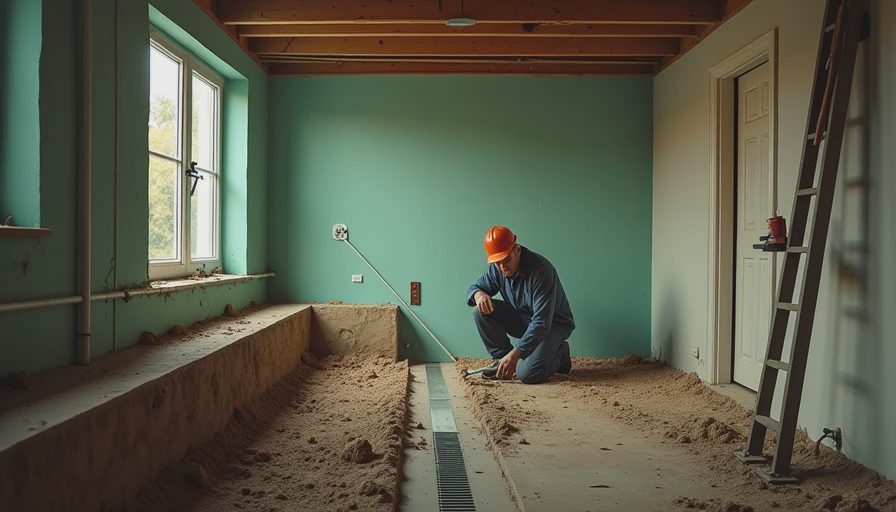
Interior French drains are the most common solution I install. This is a trench cut around the perimeter of the basement floor, filled with gravel and a perforated pipe, then covered with concrete. The pipe slopes toward a sump pit, which drains water away. It works after the water is already inside, but it is reliable when a sump pump is in the equation. Most of my clients end up with this system because it is less expensive than excavating outside. But it does require the floor to be broken up, which is messy and loud. Expect to pay around $4,000 to $6,000 for a 1,500-square-foot basement, including the pump and pit.
For many homes, that is the best choice — but only if you have access to a proper discharge path. You cannot just pump water onto the driveway; it has to go to a drywell, storm drain, or daylight at least 10 feet from the foundation. I have seen too many basements flood because the pump line froze or clogged.

Exterior Drainage Systems: Stopping Water Before It Gets In
If you have the budget and the soil around the foundation is accessible, exterior drainage is better because it intercepts water before it reaches the wall. This involves excavating down to the footing, installing a perforated drain pipe (called a footing drain) at the base of the foundation, and backfilling with gravel. A waterproof membrane is often applied to the wall as well. This is a major job. Expect excavation costs ranging from $10,000 to $15,000 for a typical house. However, it addresses the source directly. Many homes built after 1990 have a basic footing drain outside, but older homes might not. If yours is clogged with silt, a hydro-jetting service can clean it out for a few hundred dollars rather than replacing it.
I prefer exterior drains when the basement is already leaking through the wall, not just the cove joint. But I warn homeowners: the excavation can ruin landscaping, patios, and driveways. Plan on restoration costs separately.
Sump Pumps: Your Last Line of Defense
No matter which types of basement drainage systems you choose, a sump pump is usually involved. Sump pumps remove collected water from the pit and push it outside. There are two main types: pedestal and submersible. Submersible pumps sit inside the pit and are quieter and more expensive. Pedestal pumps have the motor above the pit and are cheaper but louder. I have installed Zoeller pumps for years — they last and do not fail as often as the big-box store brands. Budget about $150 to $300 for the pump itself, plus another $100 for plumbing connections. But do not stop at one pump. A battery backup is essential if you lose power during a storm. I have walked into finished basements with floating furniture because someone thought a backup was optional. Spend the extra $300 on a backup pump. You will thank me when the next thunderstorm hits.
Another consideration: size your pit right. A 20-inch diameter pit is the minimum. I have seen 14-inch pits that cycle the pump every 30 seconds during heavy rain, wearing out the impeller in two years.
Other Drainage Options: Gutters, Grading, and Window Wells
Sometimes the cheapest fix is not a drainage system at all. If your downspout discharges next to the foundation, water will find its way into the basement. Make sure gutters are clean and downspouts extend at least 6 feet away from the house. Grade the soil so it slopes away for the first 10 feet. This simple fix saves thousands of dollars. Window wells are another common entry point for water. A well that is too shallow or has no drain will fill with rainwater and push against the window. Install a window well drain connected to the footing drain, or at least cover the well with a clear plastic dome. Landscaping fabric over the gravel inside the well also helps keep dirt out. I charge about $150 per well to add a drain, and well covers run $50 to $100 at home centers.
Which System Is Right for Your Basement?
Choosing among the types of basement drainage systems depends on your water problem. If you see efflorescence or dampness on the wall but no puddles, start with exterior grading and gutters. If you have standing water, an interior French drain with a sump pump is your best bet. If you are building new or the basement is unfinished, consider exterior drainage from the start. No single system works for every house. In my experience, the combination of interior perimeter drains, a quality sump pump, and proper exterior grading handles 90% of basement water problems. Do not forget a vapor barrier behind the wall if you are finishing, but that is a topic for another article.
Bottom Line
Water is not forgiving. If you ignore it, it will ruin your framing, insulation, and drywall. The different types of basement drainage systems are tools in your toolbox — know which one to use when. For most homeowners, an interior French drain and sump pump is the practical choice. For those with the cash and the access, exterior work is the gold standard. Either way, start with the basics: grade, gutters, and downspouts. Then call a reputable contractor or, if you are doing it yourself, read up on local codes because some towns require a permit for cutting the floor. Take your time with the planning. It beats ripping out a finished basement three years down the road.

No letters yet — be the first guest to write.