If you're finishing a basement, the insulation choice is one of the first decisions you'll make. And when you start comparing batt insulation vs rigid insulation, you're really asking one question: what's going to keep this room warm without turning the wall cavity into a mold farm. I've ripped out both types from basements that failed. The good news is that both can work if you understand what they do and where they belong. Let me walk you through it like I'd explain it to a homeowner standing on a bare concrete floor.
What Batt and Rigid Insulation Actually Are
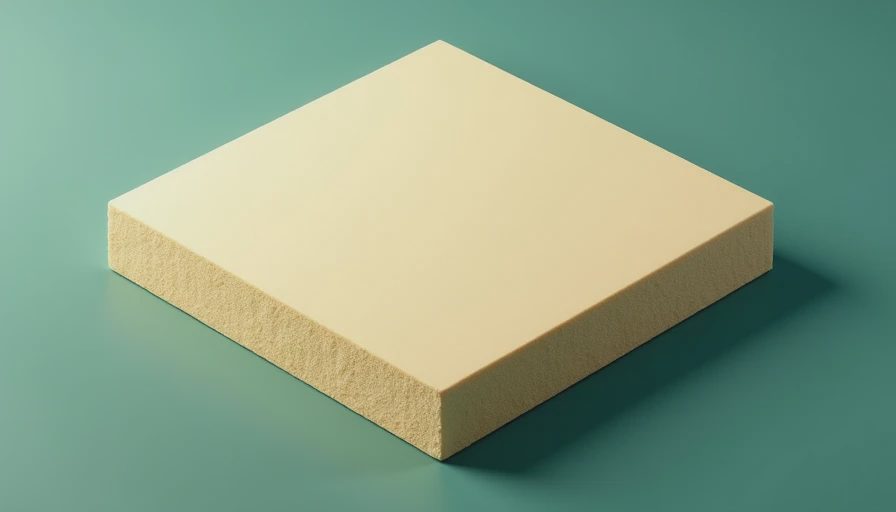
Fiberglass batt insulation is the fluffy pink or yellow roll that goes between studs. It's cheap, it's everywhere, and it's what most people picture when they hear 'insulation.' Rigid foam is the stiff board—usually pink or blue XPS, white EPS, or foil-faced polyiso—that gets cut and fitted against a wall. Each one has a different job, and the difference matters below grade.
Batt insulation delivers about R-3.2 to R-3.8 per inch, depending on the brand and density. A 2x6 wall filled with R-19 batts gives you around R-19 in practice. Rigid foam gives you more R-value per inch: XPS runs about R-5 per inch, EPS about R-4 to R-4.5, and polyiso claims R-6.5 or higher when it's warm. That higher per-inch number is why rigid board is the go-to for thin walls and exterior foundation insulation.
The Moisture Rule You Can't Afford to Ignore
Here's where the batt insulation vs rigid insulation decision gets serious. A basement wall is below grade. The concrete is always letting moisture vapor through, even when the wall looks dry. Batt insulation is a sponge. If you put fiberglass directly against a concrete wall, it will wick moisture, sag, grow mold, and eventually rot your studs. I've torn out this exact setup in basements that smelled like a wet dog.
Rigid foam, on the other hand, doesn't absorb water. XPS and EPS are practically waterproof. That's why the right way to insulate a below-grade wall is to put rigid board flat against the concrete, seal the seams, and then build your framing in front of it. You can add batt insulation in the stud bays after that, but the rigid foam has to be the layer touching the concrete. That's not a suggestion—it's the difference between a basement that lasts and one that gets gutted in year three.
Cost and Labor: What It Really Sets You Back
Let's talk money, because the batt insulation vs rigid insulation price difference surprises a lot of homeowners. Fiberglass batts run roughly $0.50 to $1.00 per square foot at the big-box stores. For a 1,000-square-foot basement with 8-foot walls, you're covering about 1,600 square feet of wall area. That's $800 to $1,600 for batts, though contractor packs often cost less.
Rigid foam costs more per square foot. A 2-inch XPS board runs about $0.70 to $1.50 per square foot, depending on brand and thickness. For the same basement, that's $1,100 to $2,400 just for the foam. You can save by using EPS instead of XPS, but you'll lose a little R-value and might need a thicker sheet. And code often requires a minimum continuous R-value—commonly R-10 or R-15 in cold climates—so you can't just slap on a thin board and call it done.
The labor difference is just as real. Batt insulation is a one-person, half-day job when the framing is already up. Rigid foam takes more measuring, cutting, and fastening, plus sealing every seam with foam-compatible tape or canned spray foam. The extra effort is worth it for the moisture protection, but plan for a full weekend if you're doing it yourself.

Where I Use Each One on a Basement Job
Here's how I decide in the field. On an exterior below-grade wall, rigid insulation goes against the concrete, always. That's non-negotiable. On interior partition walls—the ones that don't touch dirt—batt insulation is fine and it's much cheaper. I also use fiberglass batts in the ceiling between floor joists for soundproofing, because nobody wants to hear a teenager's playlist through the floor.
I've seen contractors frame the walls first, then stuff batts against the concrete, and then wonder why the basement smells musty in the summer. That's the wrong order. The only time I'll put batt insulation directly against a foundation wall is if there's a drainage membrane and a sealed vapor barrier between them. Even then, I'd rather use rigid foam because it doesn't settle and it adds a little R-value.
One more thing: if you're insulating the rim joist, rigid foam is the right material there too. Cut it to fit, press it in, and seal the edges with spray foam. Batt insulation in that gap tends to fall out and never looks right.
The Bottom Line on Basement Insulation
So what's the takeaway? If you're comparing batt insulation vs rigid insulation for a basement, the smart move is usually both: rigid foam against the concrete for moisture protection, and fiberglass batts in the stud bays for cheaper bulk insulation. The same rule applies whether you're building a home theater, a workshop, or a guest bedroom. Buy the foam first, frame in front of it, then fill the cavities with batts. That combination gives you the best of both worlds without paying for all-rigid walls. And if your budget is tight, at least use rigid on the exterior foundation walls and use batts for interior partitions. That's the honest version of the batt insulation vs rigid insulation debate, and it's one that pays off every winter.


No letters yet — be the first guest to write.