Best Waterproofing for Concrete: What Actually Works Below Grade
If you're hunting for the best waterproofing for concrete, you need to know what kind of water problem you're solving. I've spent more than a decade finishing and fixing basements, and no single product works for every situation. A damp slab in Ohio behaves differently from a cracked foundation wall in Indiana. Water can seep through the concrete itself, leak through a crack, or push up from below. That's where most homeowners get it wrong. They buy a $30 paint-on sealer and expect it to hold back a water table that's risen during a spring storm. It won't.
Let me walk you through the real options, what they cost, and which ones I've actually installed.
Why Concrete Leaks in the First Place
Concrete is a sponge. It's deeply porous and wicks moisture like a paper towel. When the soil around your foundation gets saturated, the water pushes against the concrete. That's hydrostatic pressure. If there's any path through the material, the water will find it. That path could be a hairline crack, a cold joint from the pour, or just the natural pores in the concrete.
Most basement waterproofing failures happen because someone tried to seal only the inside. They slapped a coating on the wall and called it done. The best waterproofing for concrete addresses the source, not just the symptom. You need to think about drainage, grading, and often an exterior membrane long before you pick up a brush.
The Main Types of Waterproofing for Concrete
There are five categories of products you'll run into at the home center, and they are not the same thing.
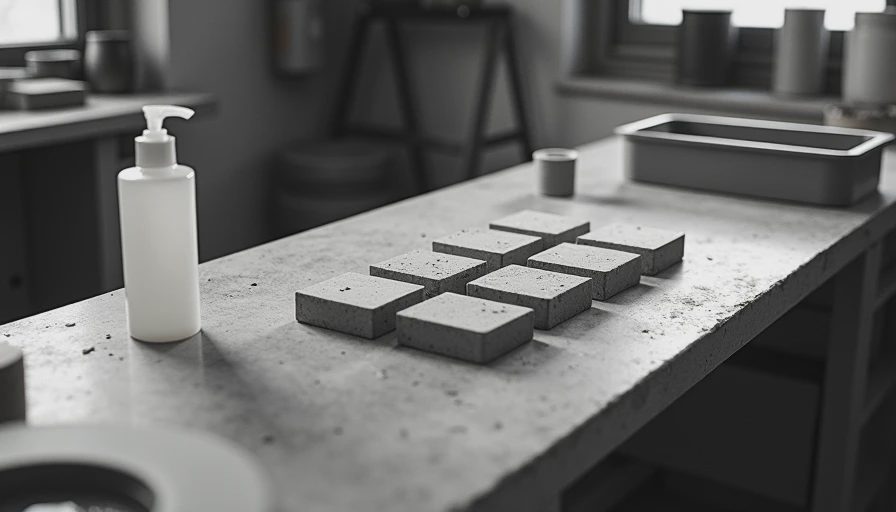
Liquid-applied membranes are thick rubberized coatings that dry into a rubbery layer. They're usually used on exterior foundation walls. Cementitious coatings are a blend of cement and additives that bond to concrete. They're cheap and easy to apply, but they're rigid, so they can crack. Crystalline waterproofing is a chemical treatment that reacts with the concrete and grows crystals inside the pores, blocking water. Sheet membranes are big rolls of polyethylene or rubber that get applied to the outside of a wall or under a slab. Penetrating sealers soak into concrete and reduce its porosity. They're good for driveways, not for holding back underground water.
None of these is a magic bullet. The right product depends on the pressure you're dealing with.
Exterior Waterproofing: What I Use on Foundation Walls
If you're building new or excavating down to the footing, an exterior membrane is the gold standard. On every basement I've built, we used a dimpled drainage mat against the wall, topped with a rubberized asphalt membrane. That gives water a path to the footing drain and keeps the wall dry. For an existing foundation, exterior excavation is expensive. A typical ranch house runs $8,000 to $15,000, depending on depth and access.
For the money, the best waterproofing for concrete exterior walls I've installed is a cold-applied liquid membrane. Brands like Tremco and Henry make versions that go on 60 mils thick and bond aggressively to concrete. You brush or roll it in two coats, let it tack up, and you're done. I used these on dozens of foundation repairs and never had a call-back when the wall was backfilled with clean gravel instead of clay.
Interior Waterproofing: What Works and What Won't
On the inside, your options are simpler but less reliable. A cementitious coating like Thoroseal is the old standby. It's cheap, a few dollars per square foot, and easy to apply. It works fine for walls that are damp but not under pressure. The moment you have standing water or an actively leaking crack, it will fail.

Crystalline waterproofing, like Xypex or Koster, is the best waterproofing for concrete if you can't dig from the outside. It gets brushed onto the surface and penetrates into the concrete, blocking capillary pores. I've used it on commercial jobs and it worked well, but it requires a clean, unpainted wall. Latex paint will keep it from reaching the concrete.
For floors, a two-part epoxy or polyurea coating works if the slab is already cracked. But if water is coming up through the slab, the only permanent fix is a sump pump and a vapor barrier under a new floor. A coating on top will just blister and peel.
How to Choose and Apply
Here's the decision tree. If the wall is below grade and the soil is wet, go with a liquid-applied membrane outside. If you can't excavate, try crystalline inside. If you have a damp garage floor, a penetrating sealer is fine. Match the product to the water pressure.
Application matters as much as the product. Clean and etch the concrete, and never apply when it's frozen or saturated. I've seen a $500 waterproofer fail because the guy brushed it over loose dust. Take the time to prep.
Bottom Line
The best waterproofing for concrete isn't a single brand. It's the right system for your problem. My rule of thumb: outside is always better than inside, and drainage beats any sealer. If you're just selling a house fast, a coat of Drylok will make the walls look okay for a few months. If you're finishing a basement to live in, spend the money on excavating, a membrane, and a proper French drain. Do that once and you'll never see a drop.


No letters yet — be the first guest to write.