If you're finishing a basement, you'll eventually stand in the insulation aisle and stare at two very different options. The choice between foam or fiberglass insulation isn't just about price. I've installed both in over 300 basements and ripped out both when they failed. Here's how to pick right the first time.
The first rule of basement work: a basement wall is not an attic wall. Above grade, fiberglass works great because it stays dry. Below grade, concrete pulls moisture from the soil, and that moisture will find your insulation. I tell every homeowner the same thing: Above grade is for the real estate photos. Below grade is where you actually live.
Why Basement Insulation Is Different
When I inspect a failed basement insulation job, it's almost always fiberglass batts shoved directly against a damp concrete wall. The paper facing gets wet, the fiberglass holds water like a sponge, and three years later you've got musty smell and mold behind the drywall. Foam, in contrast, is closed-cell. Water doesn't penetrate it, and rigid foam against the concrete works as both insulation and a vapor barrier.
Fiberglass does have a place. It's cheaper and easier to install, but only in a stud wall that's built away from the concrete. The cavity then needs a vapor barrier on the warm side. That's more work and more places to get it wrong.
Foam Insulation: The Contractor's Choice
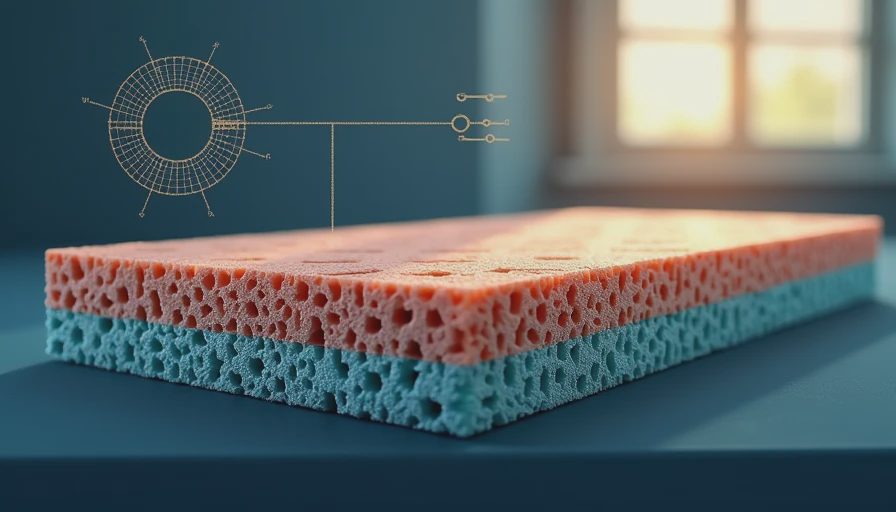
Rigid foam board is the workhorse. Extruded polystyrene, or XPS, gives about R-5 per inch, so 2 inches is R-10. Polyisocyanurate board is higher at R-6 to R-6.5 per inch, though it loses R-value in cold climates if it's not foil-faced. Closed-cell spray foam goes up to R-7 per inch and seals every crack, but you'll need a licensed crew and a bigger checkbook.
Cost check: 1-inch XPS runs about $0.50 to $0.90 per square foot from a big box store. Spray foam runs $1.50 to $3.00 per board foot installed. For a typical 1,000-square-foot basement wall, foam board will cost $400 to $800; spray foam will run $2,000 or more. That's when homeowners start eyeing the pink fiberglass.
Fiberglass Insulation: The Cheap Route With a Catch
Let's be fair to fiberglass. An R-13 batt for a 2x4 wall costs around $0.50 to $0.70 per square foot, and a motivated DIYer can staple it up in an afternoon. It's non-combustible, easy to cut, and in a bone-dry basement with a vapor barrier, it'll still be fine twenty years later. I've seen that happen.
But here's the catch. Concrete walls wick moisture, and even a 'dry' basement can hit 60 to 70 percent humidity in July. Fiberglass loves to absorb that moisture and once wet, it never fully dries. I've torn out fiberglass dripping down the studs after a rainstorm, black mold on the paper. The homeowner swore it was dry when he hung it. That's how below-grade failures happen.
Foam or Fiberglass Insulation: The Head-to-Head Decision
That's the foam or fiberglass insulation decision in a nutshell. Both can work, but they work best in different locations. The system I install on most basements: rigid foam directly against the concrete, then a 2x4 stud wall an inch away, then fiberglass batts in the cavities. This hybrid gives you the moisture resistance of foam and the cost savings of fiberglass where it's protected.
If you're framing a basement bedroom, the fiberglass in the cavities also knocks down sound between rooms. For a storage room or workshop, you can skip the fiberglass and just use foam board. The foam alone is enough to make the space comfortable and dry.

Three Mistakes I See on Basement Insulation Jobs
Mistake number one: paper-faced fiberglass against concrete. That paper is a vapor barrier, and it traps water against the wall. It's a mold sandwich. Use unfaced batts with a separate poly vapor barrier on the warm side, or skip fiberglass entirely and use rigid foam.
Mistake two: no space between the concrete and the studs. If you frame tight against the wall, moisture migrates into the lumber. I always build a 1-inch gap and let the foam act as a spacer. Mistake three: forgetting the bottom plate. Use pressure-treated lumber and a foam sill gasket to keep capillary moisture from rotting the framing.
What About the Rim Joist and Band Board?
Most homeowners focus on the big wall and forget the rim joist, the horizontal gap where the floor trusses sit on the foundation. That's a major source of cold air and heat loss. I seal it with a piece of rigid foam cut to fit and spray foam in the gaps. This is one spot where spray foam is worth every dollar, because it expands to seal odd-shaped cracks. You'll feel the difference in the first winter.
Pro tip: before you insulate any wall, check for water issues. If you see efflorescence (white powder) or a damp spot, solve that with drainage and waterproofing first. Insulating over a wet wall is just hiding a problem until it becomes a mold problem.
The Bottom Line
If you ask me about foam or fiberglass insulation, the honest answer is: use both, but put the foam where the water is. Rigid foam on the concrete is your first line of defense. Fiberglass in the stud bays saves money and adds R-value where it can stay dry.
But if you only pick one, choose foam. A cheap fiberglass job against a damp foundation is a $200 mistake that can become a $5,000 mold removal. If your wall shows any chalky residue or dark stains, fix the drainage first. Do that, and either material can make your basement a place you actually live in.


No letters yet — be the first guest to write.