When you're standing in a damp basement staring at peeling paint, the idea of mold resistant paint for basement walls sounds like a miracle. I've been finishing basements for over a decade, and I've seen too many people try to paint over green spots and call it done. The short answer is no. Here's what actually works.
Why Basement Walls Grow Mold in the First Place
Mold needs three things: moisture, food, and temperatures above freezing. Your basement has all three. Paint isn't a waterproofing system. If water seeps through the concrete or condenses on the wall, no paint will stop mold from forming.
The real issue is usually humidity. In a typical Midwest summer, my basement sits around 70 percent relative humidity even with a dehumidifier running. Concrete is porous, so moisture moves through it constantly. When warm, humid air hits a cool wall, you get condensation.
So step one is never paint. Check gutters, make sure the grading slopes away from the foundation, and run a dehumidifier. If you have active seepage or a cracked foundation, fix that first.
What Mold Resistant Paint for Basement Walls Can and Can't Do
Let's be direct: mold resistant paint for basement walls prevents mold growth on the paint film itself. It contains antimicrobial additives that make it harder for mold to take hold. It does not kill mold behind the paint. It does not stop water from passing through the wall.
What it does well is give you a washable, durable finish that won't become a mold farm when humidity spikes. On a properly prepared, reasonably dry basement wall, it will hold up far better than standard flat latex.
The mistake I see is assuming you can skip prep and roll on a thick coat. On efflorescence, dirt, or old chalky paint, the new coating will fail.
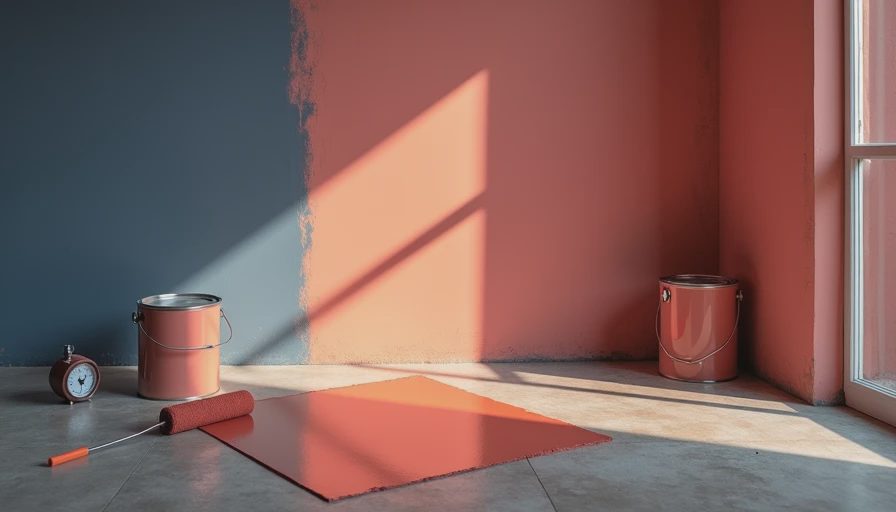
How to Choose the Right Mold Resistant Paint for Basement Walls
You have two main categories: latex paint with mildewcide additives and masonry-specific products like Drylok. Latex paints such as Sherwin-Williams Duration or Benjamin Moore Aura Bath & Spa work well on framed walls and drywall. They're breathable and low VOC.
For bare concrete or masonry, use something that blocks moisture. Drylok Extreme Masonry Waterproofer is one I've used on dozens of jobs. It seals surface pores and handles light hydrostatic pressure. But it only works if the wall isn't already leaking. If water is coming through a crack, Drylok will bubble off.
For finished drywall, Zinsser's Perma-White is a solid pick. It's self-priming and formulated for high-moisture areas.
Prep Is the Part Everyone Skips
Most mold resistant paint jobs fail from bad prep. You need a clean, dry, dull surface. Scrape off peeling paint and loose debris. Wash the wall with a trisodium phosphate solution or degreaser to kill surface mold. Rinse and let it dry completely.
If you have efflorescence, knock it off with a stiff brush and fix the moisture source. Patch cracks with hydraulic cement. Then prime with a stain-blocking primer like Kilz or Zinsser's Mold Killing Primer.
Once the primer is dry, roll on your mold resistant paint. Two coats is non-negotiable. More film means more protection.
Common Mistakes I See on Basement Paint Jobs
The biggest one is painting over damp walls. If the surface is cold or sweaty, the paint won't bond. Wait for a stretch of dry weather and let the basement run with the dehumidifier for a week before you start. Another mistake is using regular interior paint instead of a product made for masonry or high-moisture areas. Check the label for mildewcide and breathability. And don't forget the floor. If water is wicking up through the slab, it can travel up the wall behind your paint even if the wall looks dry. That's why a vapor barrier under the finish is worth the extra cost in some basements.
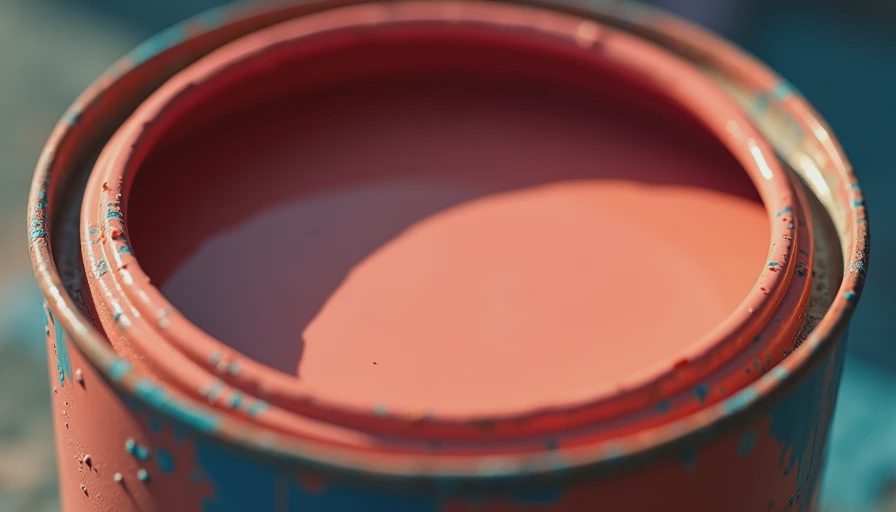
Application Tips Straight from a Job Site
Use a roller with a 3/4 inch nap for masonry. It gets into the concrete's pits. Back-roll as you go so the paint pushes into the pores. Don't stretch a gallon too far; on rough concrete, expect 250 to 300 square feet per gallon instead of the rated 400.
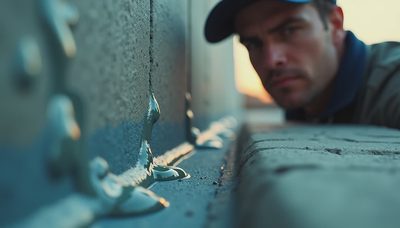
Run paintable acoustical caulk in corners and along the floor before painting. It seals gaps where moisture and bugs sneak in. Open a window, run a fan, and give the room at least a day to dry between coats.
Cost Breakdown: Paint vs. the Alternative
A gallon of good mold resistant paint runs $35 to $60 and covers roughly 300 square feet of prepared concrete. Add a gallon of primer at $25 to $40, and you're at $60 to $100 for a typical small basement wall.
Compare that to ripping out moldy drywall. When I demo out a basement wall finished with regular drywall, the homeowner pays for new framing, drywall, mud, tape, paint, and sometimes insulation. That's $2,000 to $5,000 in a small room.
The paint is cheap, which is exactly why people skip every other step. Then they call me two years later wondering why it didn't work.
The Bottom Line on Mold Resistant Paint for Basement Walls
Here's my bottom line: buy mold resistant paint for basement walls, but only after you've fixed the water problem. If the basement is dry and the wall is sound, it's a smart investment. If you have standing water, paint is just lipstick on a soggy pig.
Start with the moisture audit. Fix the gutters, slope, and dehumidifier. Do the prep and use the right primer. Then roll on two coats and you'll have a basement that won't embarrass you.
I've painted a lot of basements. The ones that fail are the ones where somebody tried to skip a step. Don't be that somebody.

No letters yet — be the first guest to write.