You don't need to live in a steel box to know what happens when a metal roof sweats. The same physics that ruins drywall in a wet basement will wreck a metal building from the inside out. Vinyl faced insulation for metal buildings is the cheapest and most straightforward fix for condensation, heat loss, and that tin-can echo. I've put this stuff in pole barns, garage workshops, and steel-frame outbuildings over the past 15 years, and it still beats every expensive alternative for most homeowners.
Why Metal Buildings Need a Vapor Retarder
Picture a cold March morning. The air inside your shop is warm and carrying moisture from your breath, a space heater, a wet dog, whatever. That warm air hits the cold steel roof or wall and water condenses on it, same as an iced tea glass. In an uninsulated metal building, that condensation drips onto everything. It rusts the steel screws, beads up on stored bags of seed or cardboard boxes, and grows black mold on anything porous. Steel is a terrible insulator, so you're also paying to heat the outside. Adding vinyl faced insulation for metal buildings does two jobs at once: the fiberglass slows heat flow, and the vinyl layer blocks the moist air before it ever touches the cold metal.
Vinyl-Faced vs. Other Insulation Options
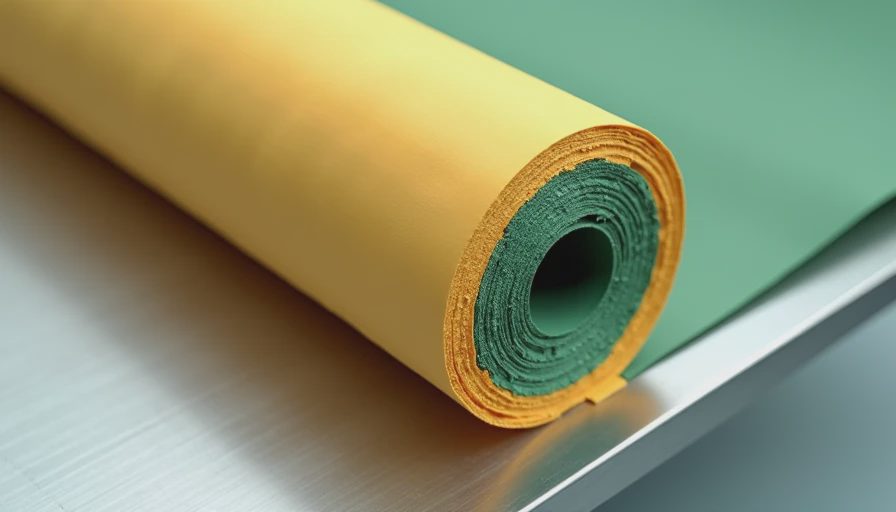
Unfaced fiberglass is a few dollars cheaper per roll, but it's just a sponge in a metal building. Moisture moves right through it and condenses on the steel, then the fiberglass sits there wet and heavy. Foam board is a good vapor barrier if you tape every seam perfectly, but it has to be cut to fit around girts and purlins, and the gaps are a pain to seal. Spray foam gives you the best R-value per inch and stops air leakage, but you're talking double or triple the cost and a contractor who needs to show up with the right equipment. Vinyl-faced batts are the middle ground that actually works. Brands like Owens Corning and Johns Manville make fiberglass blankets with a white vinyl skin and flanges that staple straight to the framing, and I've seen this stuff perform for decades when it's put in right. It's the standard for a reason.

Facing Direction Has to Be Right
This is where I see the most screwups. The vinyl skin faces the warm side of the building, which in a heated or cooled metal building is the interior space. That means the white shiny side faces you, toward your truck, not toward the metal skin. If you put the fiberglass against the interior and the vinyl against the steel, you just built a mold farm. The facing keeps moisture from the indoor air out of the fiberglass, so the fiberglass can do its job without getting soaked. Staple through the tab every 12 to 16 inches, overlap seams, and seal them with foil tape or vinyl tape made for the insulation. Don't rely on the fiberglass itself to be snug; gaps are where winter air finds a way in.
What R-Value and Thickness Do You Actually Need?
R-value tells you how much insulation you have. R-13 is 3.5 inches thick, R-19 is 6.25 inches, and R-30 runs about 10 inches. The right one depends on how deep your girts and purlins are. If your structural framing is 4 inches deep, buy R-13 or maybe R-15 so it fills the cavity without bulging. If you have 6-inch framing, R-19 is the sensible choice. For ceilings or roofs, going up to R-30 on a 10-inch cavity is worth it if you heat the building through the winter. The biggest mistake I see is cramming R-19 into a 3.5-inch wall. Compressing fiberglass drops its R-value and creates a vapor pocket, so buy the thickness that matches the cavity. And don't double up unless you're putting the vinyl facer between two layers, not exposed on both sides. If you get a 4-foot-wide roll, you'll cover a lot of ground with fewer seams.
How to Install Vinyl Faced Insulation for Metal Buildings
Installation is straightforward, but details matter. Start at the top or the corner and unroll the insulation across the wall or roof between the steel skin and the framing. Push the flanges against the face of the purlin or girt and staple them every 12 to 16 inches. Use wide fender washers if you're screwing through the flange into thicker steel. When you get to the end of a roll, overlap the seams by 2 to 3 inches and tape them with the same vinyl tape you'll use around windows, doors, and electrical boxes. Then do the same for every cut where a conduit or pipe comes through. Don't assume a tight staple is enough; a knife slit in the vinyl lets moist air through and you're back to condensation. Wear long sleeves, gloves, and an N95 mask because fiberglass itch is no joke. It's a two-person job, but a 40x60 building can be lined in a long weekend.
What This Costs
On the low end, vinyl-faced fiberglass runs about 60 cents a square foot for R-13 from a big box store. Buy from a metal building supplier in bulk rolls and you might land closer to 50 cents. R-19 will probably run 90 cents to $1.10. For a 40x60 metal building with roughly 6,000 square feet of roof and wall area, that works out to $3,500 to $6,500 for material alone. A contractor would charge another $1,500 to $3,000 for labor. Spray foam in the same building runs $10,000 or more, and foam board with taped seams runs maybe $4,000 to $5,000 if you do it yourself, but it's far slower and leaves more room for sealing mistakes.
Here's my bottom line: If you're outfitting a metal shop, barn, garage, or outbuilding, vinyl faced insulation for metal buildings is the DIY-friendly option I'd choose every time. Keep the vinyl facing on the warm side, buy the right R-value for your framing, and seal every seam and cut. Do that and your building stays drier, quieter, and a whole lot cheaper to heat or cool. Skip the foil bubble wrap if condensation is your problem, and don't use unfaced fiberglass unless you enjoy rust streaks.


No letters yet — be the first guest to write.