If you own a home on Staten Island, you already know the drill: spring rains, high water table, and aging foundations make waterproofing basement walls Staten Island a necessary investment. I've worked on dozens of basements in similar conditions, and the same mistakes show up every time. Let me walk you through what actually works and what's a waste of money.
Why Staten Island Basements Are Prone to Water Problems
Staten Island sits on a mix of clay and sandy soils, with a water table that rises fast after heavy rain. Most homes built before 2000 have poured concrete or concrete block foundations that develop cracks over time. Hydrostatic pressure pushes water through those cracks and through the cove joint where the wall meets the floor. The result? Damp walls, puddled water, and eventually mold if you don't address it. I've seen homeowners spend thousands on sealants and paints that fail within a year because they didn't fix the pressure problem.
Interior vs. Exterior Waterproofing: Which One You Need
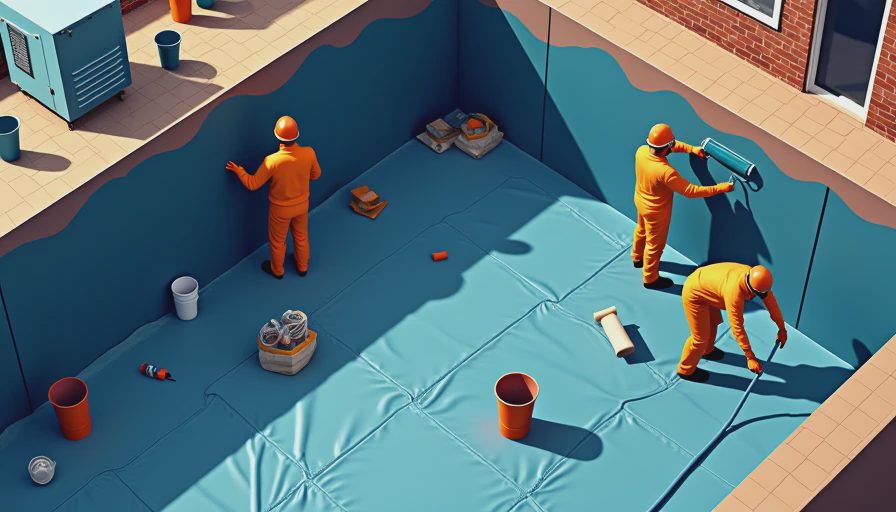
Exterior waterproofing is the gold standard. It involves excavating around the foundation, applying a rubberized membrane or bentonite panel, and installing drainage board and perforated pipe. This stops water before it hits the wall. But it's expensive—typically $8,000 to $15,000 for a Staten Island home—and you lose your landscaping.
Interior waterproofing is cheaper and faster. You install a dimple board or drainage mat against the wall, channel water down to a perimeter drain tile tied to a sump pump. This doesn't keep water out; it manages it after it comes in. For many Staten Island homes with moderate seepage, this is more than enough. I've done about 50 interior systems, and they work well when installed correctly.

The Contractor's Verdict: A Two-Step Approach
After seeing both methods in action, here's my honest take: for most Staten Island basements, start with interior water management unless you have active flowing water or structural issues. You can add exterior waterproofing later if needed. The two-step approach saves you from overpaying upfront. I tell my clients: seal the obvious cracks from the inside with hydraulic cement, install a vapor barrier and drainage system, and test it through one wet season. If it's dry after that, you're done.
What About Drain Tile and Sump Pumps?
A proper interior system needs a perimeter drain tile—either cut into the slab or laid on top and covered with a concrete patch. That tile carries water to a sump pump basin. For Staten Island homes, I prefer a pedestal pump with a backup battery system because power outages often happen during the storms that cause flooding. Never skip the check valve on the discharge line; I've seen basements flood because the pump cycled and the water flowed right back in.
Cost and Timeline for Staten Island Homes
Interior waterproofing plus drain tile and sump pump runs $4,000 to $7,000 for a typical 1,000-square-foot basement. The job takes two to three days. Exterior excavation runs $8,000 to $15,000 and takes about a week. Factor in $500 to $1,500 for fixing landscaping afterward. I've quoted enough Staten Island jobs to know the range varies by foundation depth and access. A finished basement that needs to be gutted will add another $2,000 to $4,000 in labor.
Final Checklist Before You Start
Before you hire anyone for waterproofing basement walls Staten Island, check these three things. First, make sure your gutters and downspouts are clean and extend at least six feet away from the foundation. Second, grade the soil so it slopes away from the house—four inches over ten feet is the minimum. Third, inspect the exterior for obvious cracks or settling. I've walked into plenty of basements that only needed better drainage, not waterproofing. If you still see moisture after those fixes, then it's time to call a pro.
Bottom line: waterproofing basement walls Staten Island doesn't have to be a nightmare. Interior systems handle most situations. Exterior is for the worst-case scenarios. Start with the simple stuff, monitor it, and only invest in the heavy work if you have to. Your basement can stay dry without breaking the bank.
Frequently Asked Questions About Waterproofing Basement Walls Staten Island
How long does waterproofing basement walls Staten Island last? A quality interior system with proper installation lasts 20 to 30 years. Exterior membranes can last the life of the house if protected from backfill damage. The sump pump motor needs replacement every 5 to 7 years, but the drain tile and wall panels should hold up for decades.
Can I waterproof basement walls Staten Island myself? I don't recommend it for full systems. You need to cut into the slab for drain tile, which requires a concrete saw and knowledge of pitch. Hydraulic cement patch for a single crack is a DIY job. But for ongoing seepage, you'll spend as much on rental tools and materials as a pro charges for labor. Plus, if it fails, you've lost time and still have a wet basement.
Do I need a permit for waterproofing basement walls Staten Island? Yes, in most cases. Interior drain tile installation usually requires a permit from the New York City Department of Buildings. Exterior excavation definitely does. Your contractor should pull the permit and schedule inspections. I always tell homeowners to verify permits before signing a contract. Unpermitted work can cause problems when you sell the house.
What's the best material for waterproofing basement walls Staten Island? For interior walls, high-density polyethylene dimple board is my go-to. It creates an air gap that lets water drain freely. For exterior, a rubberized asphalt membrane with a drainage core is standard. Avoid liquid-applied coatings on interior block walls—they peel off from hydrostatic pressure. Stick with mechanical systems that channel water away, not chemical barriers that rely on adhesion.
Is waterproofing basement walls Staten Island worth the cost? Absolutely, if you plan to finish the basement or store belongings. Even unfinished basements with mold problems lose resale value. A dry basement adds usable square footage without the headache of recurring repairs. Most of my clients recoup 70% to 80% of the cost when they sell, and they enjoy a clean, dry space in the meantime.

No letters yet — be the first guest to write.